

Seriously how many of this dude’s books am I going to cover this year…
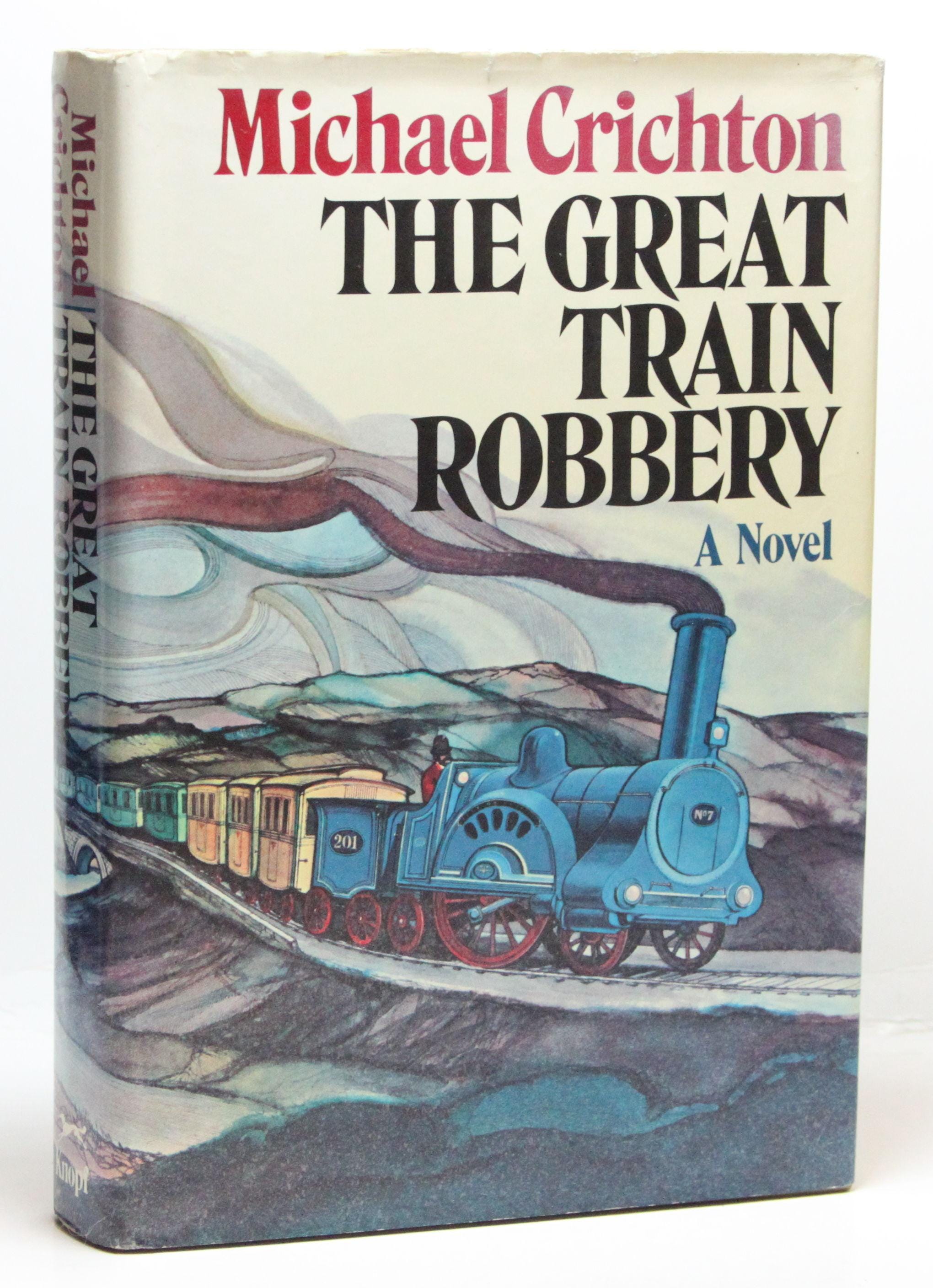
Aiight so I got the CDs from the library and just got around to listening to this one, and it was really well done. Michael Kitchens, a Brit, did the narration and performed stupendously. Crichton as always did a ton of research, or else went to great lengths to make up a ridiculous amount of science and history so he could fictionalize it all in this book. Either way it’s an entertaining read.
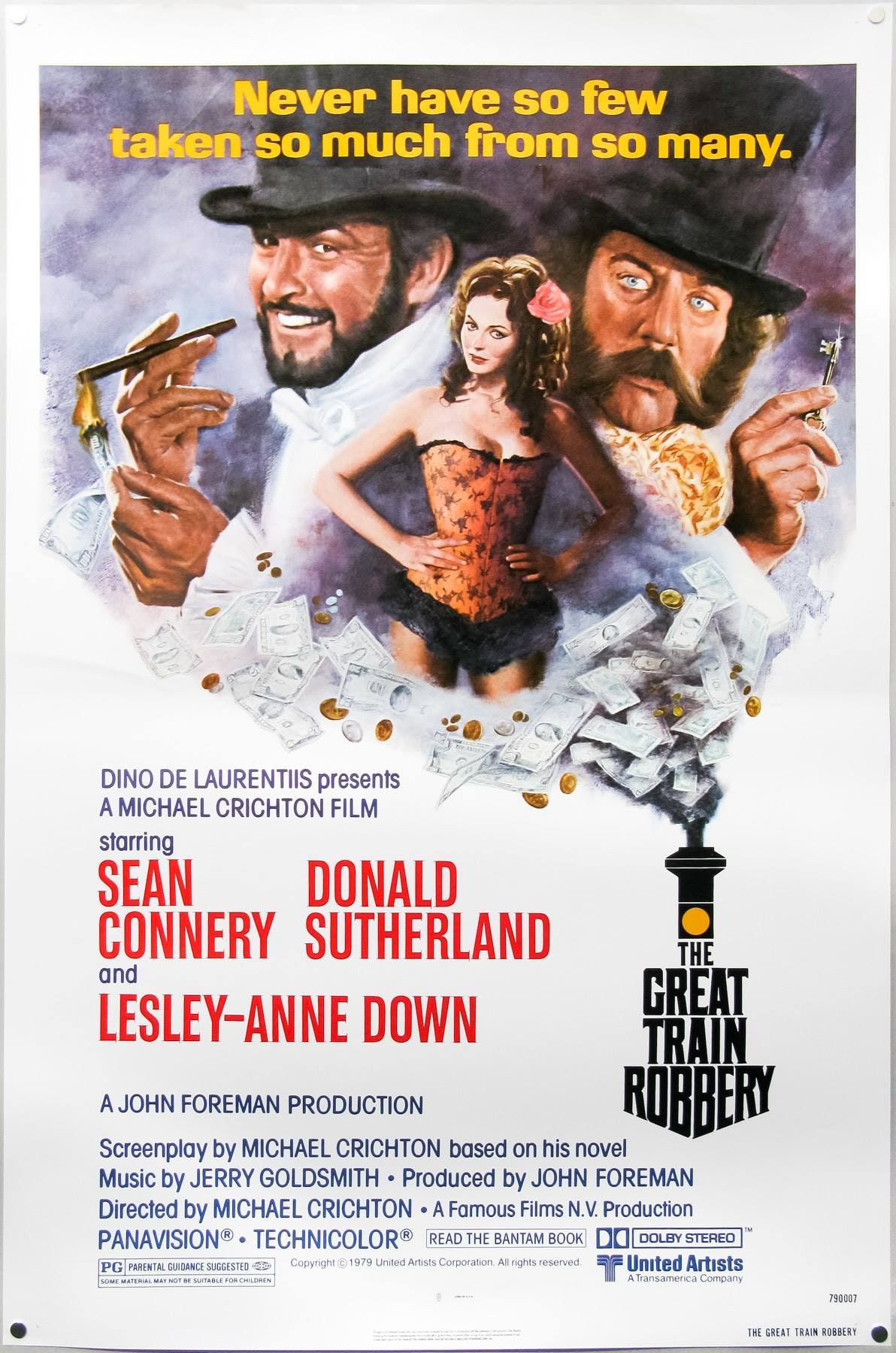
There’s also a film version that Crichton directed, starring Sean Connery and Donald Sutherland. I haven’t seen it but I’d like to now. Some 20th Century powerhouses all got together under one roof for that to happen. When I read Crichton’s autobio TRAVELS I remember him talking about the making of the film, and how he kept overthinking certain scenes. Seems to be the way his brain worked.
The text reads as an overlap of a novel and a nonfiction about the place and time, that is, Victorian England in the 1850s. It’s almost like an EFAP video where every time an otherwise confusing plot development pops up, Crichton hits the pause button to explain wtf this new thing is and how it was common in its day, and ultimately affected the outcome of the story.
In the hands of another author, this would come off as really annoying. He makes it work. I don’t know why, maybe because of the brevity. He doesn’t overexplain things.
Our protagonist is Edward Pierce, a nobleman who likes to get into trouble. He consorts with seedy underworld types to commit high-value crimes, partly for the money and partly for the lols. I like him already. That he was played by Connery adds to the aura. He’s putting together a team for a heist of a secure safe carrying 12,000 pounds of payroll money for British troops in the Crimean War.
At this point Crichton has already explained to the reader the general mindset of Victorian London, the attitudes toward train travel, the nature of the Crimean conflict, and the results of the British involvement.
Pierce begins to gather intel on the amount of money, the safe that holds it, the guards who watch over it, the timing of the trains, and the number of keys that open the safe, as well as who possesses them. You get some interesting exposition about Victorian fashions and furnishings, especially as it regards the ability to conceal tiny objects in hundreds of different hidey-holes in one’s house.
Pierce ends up making friends with Misters Trent and Fowler, targets who hold two of the four keys he needs for the safe. One of them has a fighting dog used for “ratting” (exposition), and the other likes to get down and dirty with the hoes (exposition.) This gives him ways to gain leverage over both. Pierce keeps his information compartmentalized as he works on both men, going so far as to court Trent’s mid daughter (exposition) so he can have regular access to the house where a key is hidden.
From there you meet the different men involved in different stages of the heist. It takes them about a year of planning and angling to put it all together. Changes happen along the way that force them to re-evaluate their approach. They can’t account for all the variables, and that keeps the excitement up.
I’m not going to spoil what happens too much. At the beginning of the book it’s mentioned that there was a trial after the robbery, and the reader is given to know that all the men involved were at least caught and tried, though Crichton doesn’t reveal the verdict until the end. You get glimpses into the trial along the way.
I like this form of storytelling, especially with regards to historical fiction. It reminds me of what Gary Paulsen did with WOODS RUNNER, where every chapter alternated between the fictional narrative and the historical facts of the time period (Revolutionary America.) The way Crichton did fiction, you could almost believe he was writing about things that actually happened.
(THE GREAT TRAIN ROBBERY is not about a real event, though. There is a “Great Train Robbery” in British history but it occurred in 1963, more than a century after this one is set.)
This one is a sleeper from him, since it gets lost in the shadows of his more successful books like JURASSIC PARK and TIMELINE. It’s held up over the last fifty years though, so give it a try. The only real content warning is some frank talk about the nature of whoredoms and sexual behaviors of the time period. (There was some belief that you could get rid of venereal disease by having sex with a virgin girl, and Pierce takes advantage of this thinking. It’s gross yet his usage of it is critical to the heist.) From what I understand, they changed this in the movie.
So yeah. Worth the read if that doesn’t put you off. Give it a look. If you’ve read his final novel PIRATE LATITUDES, you’ll notice some similarities in the heist elements, the third act twist, and the conclusion. I think he recycled a lot of ideas from TGTR for that book, as he was taking a break from hard sci-fi and getting back into historical adventure writing for a while. Then he died in 2008. That’s the last one we got.