

If you are reading this post the instant it goes live, then you are doing so at the exact moment that Chernobyl Reactor 4 exploded in 1986, adjusted for time zone differences.
April 26, 1986, 1:23:45 AM, Eastern European Time, was the stamp given to the reactor’s explosion in the HBO miniseries Chernobyl. Some other sources record the time as early as 40 seconds, or as late as 58; the thinking is that it took 18 seconds for the boron rods to lower into the reactor once the operators pressed the AZ5 button (emergency shutdown,) which they did at 40 seconds, so somewhere in that window the reactor went boom.
I watched all five episodes last month and quickly fell headlong down a rabbit hole of curiosity, anxious to learn more about the most devastating nuclear accident in the history of the industry. Among every other shortcoming of Soviet collectivism, Chernobyl was the straw that truly broke the camel’s back and caused the U.S.S.R. to completely collapse. Its effects are still being felt to this day.
What Happened?
The extremely skinny version of it is this: the Soviets, in their endlessly accelerating quest to beat the capitalist West at everything, cut corners in one of the newest and deadliest industries of the 20th Century: nuclear power. They built them fast, they built them cheap, and they built them under secrecy.
Through a complicated series of engineering steps that I can’t hope to accurately summarize here, the Soviet reactors had the capacity to become nuclear bombs under the right conditions, and as it turned out, those conditions were easier to create than one might think. Personnel, politics, and ambition all converged on that fateful April night in 1986, and the fourth reactor of four at Pripyat exploded, exposing the radioactive core to the open air.
Dangerous particles flooded the atmosphere and drifted hundreds of miles away. On-site nuclear scientists initially misdiagnosed the problem. Emergency responders showed up to put out a simple fire on the roof, and stood directly in the face of the exposed reactor, sealing their fates in minutes. Within hours the full might of the Soviet machine was mobilized to solve the biggest logistical problem they had ever seen, and had never conceived. Solutions were cooked up on the fly and most of them involved tactical human sacrifice to varying degrees.
A nation that operated day-to-day on lies and projected social power suddenly found itself face-to-face with a problem it couldn’t ignore, intimidate, or cover up: they had to cap off a reactor before it killed the entire continent with chemical poison. Soil would have to be overturned. Forests, razed. Livestock and pets, destroyed. The bodies of firemen were sealed in zinc caskets and buried in concrete. Officially the death toll is thirty-one, but the true number is well into the thousands. The financial cost of the cleanup equals over eighty billion dollars as measured against 2020s currency; the Soviets flat-out couldn’t afford it, and it destroyed them.
To say nothing of the concern that the other sixteen reactors in the country might do the same thing under the wrong circumstances.
When they finally got it under control, the Communist political machine did what it did best: lie, assign blame, and exonerate itself of any fault. The scientist who most closely oversaw the cleanup procedures, Valery Legasov, was so broken by the process that two years after the explosion—to the day, mind you—he recorded tapes of his assessment, then committed suicide to ensure someone would pay attention to his words.
He had tried to kill himself twice before this. It wasn’t a fleeting impulse; he was convinced it was the only way to break through the Party’s iron grip on the truth. Now, four decades later, we have access to a staggering amount of material to help us understand what happened in Chernobyl.
I lived through it, BUT…
I wasn’t quite two years old when reactor 4 went up. I asked my mom about it and she had some vague recollections of it in the news, but there were other big things going on in my parents’ lives that year so it kind of fell between the cracks. As I grew older and went into public school, I saw maps on the wall with “United Soviet Socialist Republic” stamped across Russia and Siberia; in second grade, I had just figured out how to spell “Czechoslovakia” in time for the country to split in two. Eastern Europe was in flux after communism collapsed, and brought forty years of Cold War tension to a close.
This year, without really meaning to, I got bit by the curiosity bug just a few weeks ahead of this anniversary and, well, I wanted to share it with you guys. This single episode in world history is like any other thing I’ve studied—the Pilgrims, the Civil War, the Wright Brothers—that we only had time to touch on in public school. Once you jump into the details, you never forget them.
What to Watch, What to Read
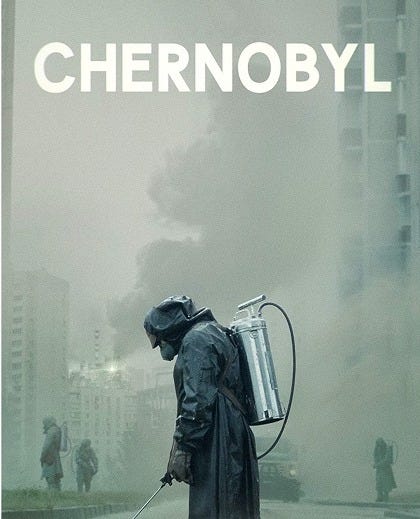
Obviously the first thing right out the gate is the aforementioned miniseries. The creator, Craig Mazin, suffered a bite from this same bug many years before I did, and the facts of the story inspired him to put together the pitch for the show. Fortune smiled on him and he got to make it, then see the critical response to it when it aired in 2019. I remember hearing about it back then, but I’ve never had an HBO subscription, so it faded into the cultural background for me like so many other things.
It was worth the hype. Mazin and his crew took great care to marry a cinematic narrative to the facts, and when he had to divert from the truth, he made an accounting of those facts on a podcast that aired alongside the show. The full episodes are still available on YouTube and, I assume, elsewhere.
[Content advisory: a fair amount of heavy profanity in the show, and it’s HBO, so you’re gonna see some dong in episode 3.—GB]
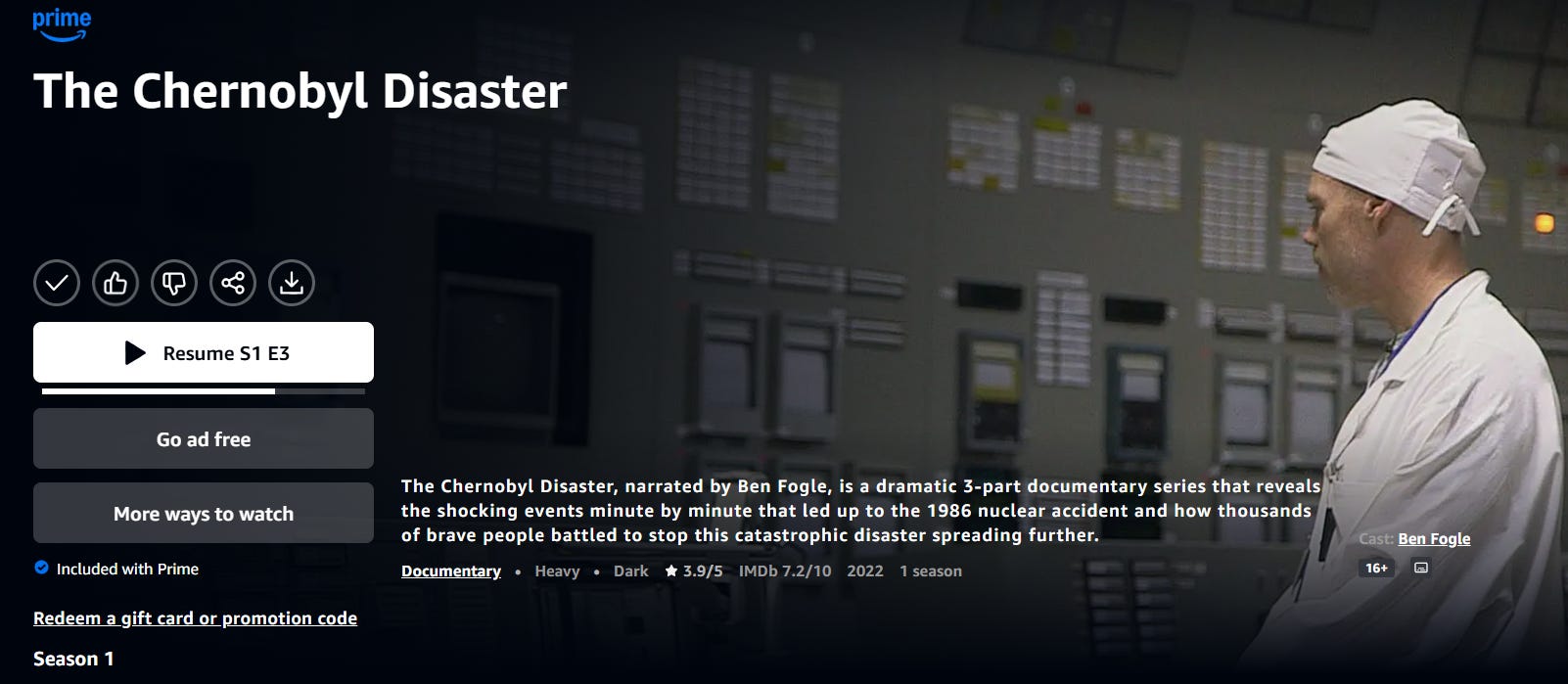
A few years after HBO dramatized the story, Amazon Prime put together a three-episode documentary that had a little less flair and moved at a faster clip. It’s fine, but it lacks the emotional punch of the show. This is good if you’d like more facts.
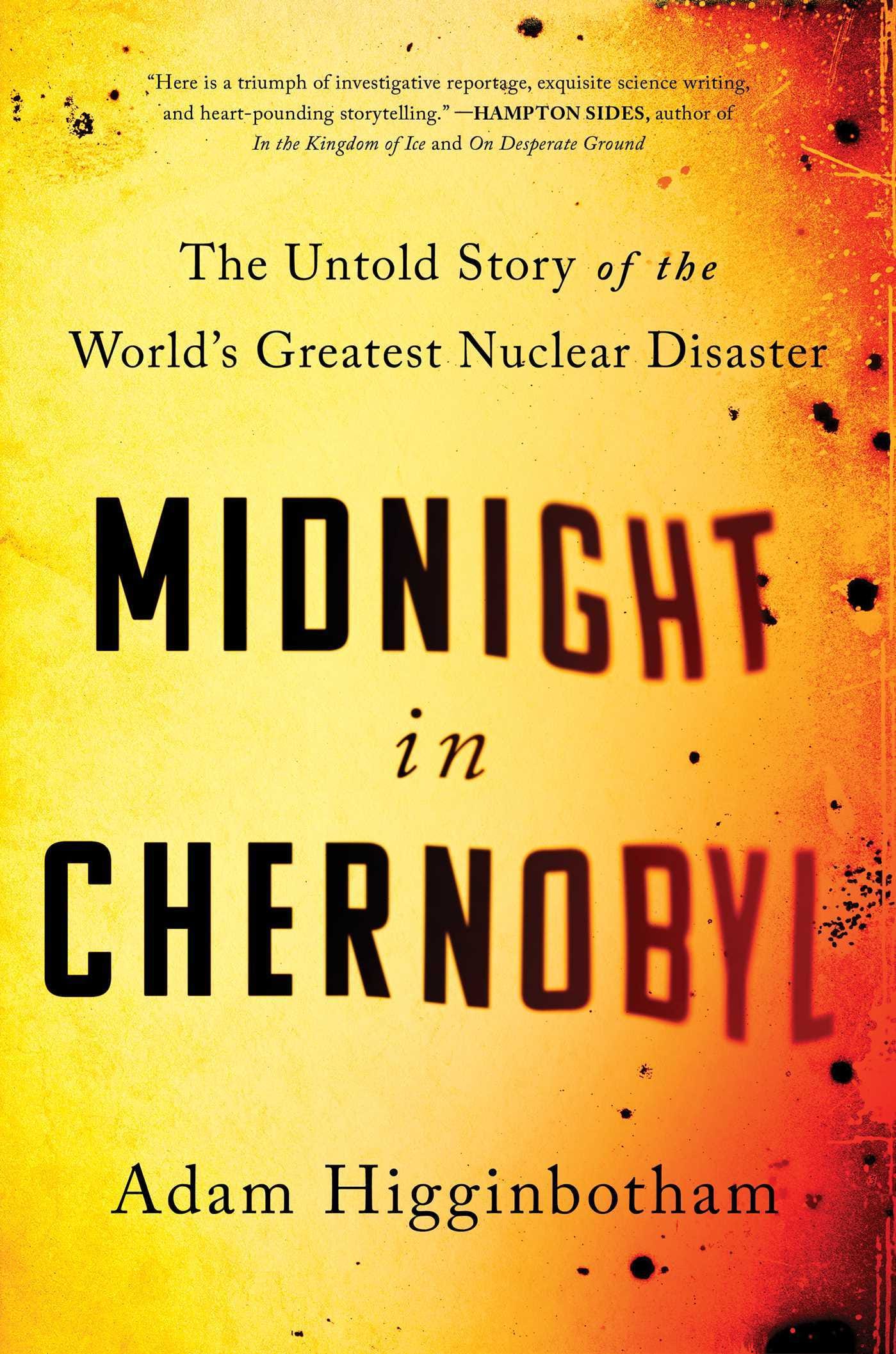
MIDNIGHT IN CHERNOBYL also came out in 2019. Mazin mentioned it on the podcast and said he wished he’d had access to Higginbotham’s manuscript when he was writing the show, because they clearly drew on the same research and it would have saved him a lot of time.
Higginbotham shares details that the show didn’t have time to portray, including the aftermath of the Chernobyl show trial that condemned Dyatlov (the head engineer in charge that night) to ten years in a hard labor camp. Despite his documented guilt, Dyatlov would spend the rest of his life trying to clear his name, to no avail.
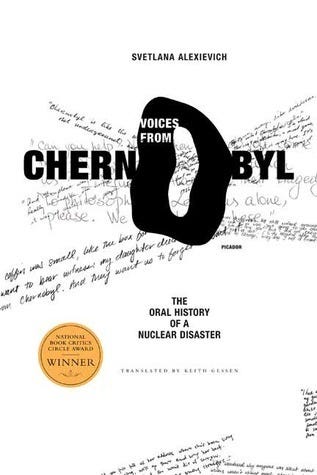
VOICES FROM CHERNOBYL also got a shout-out from Mazin, but it’s a different treatment from MIDNIGHT; Svetlana Alexievich spent a great deal of time talking to Chernobyl survivors in the 1990s, collecting firsthand accounts of what they endured in the wake of the disaster. One survivor included a fireman’s wife, who lost a pregnancy to the fallout; others were people who lived in what would become the exclusion zone, and had to leave their family homes behind. Even for years after the fact, people from Chernobyl faced a public stigma for being from there. Wives feared getting pregnant because the baby might be deformed, and single women wouldn’t even date the tall, good-looking men from Pripyat based on the high odds that they’d produce unhealthy children. It was devastating to read but, because of its honesty, merits recording.
In Pop Culture
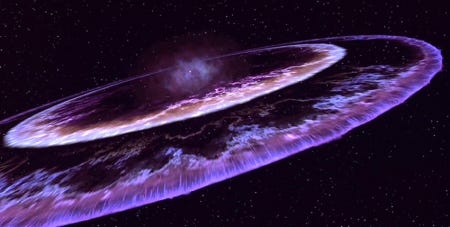
It was such an impactful event that it wasn’t long before artists started drawing on it for inspiration in their work. Leonard Nimoy, in recounting the history of the Star Trek movies he starred in, said that The Undiscovered Country was initially based on the idea of “Chernobyl in Space.” A valuable mine on the Klingon moon of Praxis suddenly explodes, causing so much turmoil for the Klingon Empire that they have to formally put their war with the Federation on hold to deal with it.
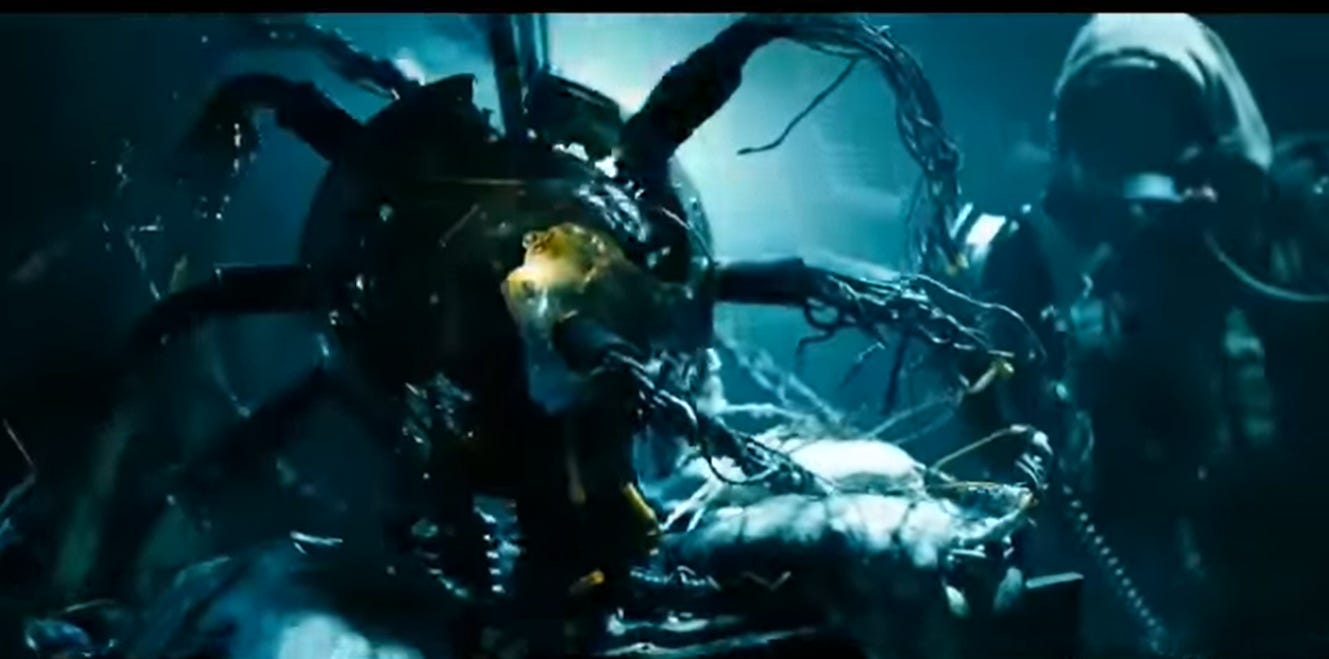
Other takes on the story have been less creative, including a subplot of Transformers: Dark of the Moon, wherein the Chernobyl disaster is portrayed as the result of Soviets trying to reverse-engineer Transformer technology. As much as I’m a diehard for Transformers, this was a bad idea, but I expect little else from a backup writer (Ehren Kruger) who got sloppy thirds from a couple of even worse writers (Alex Kurtzman and Roberto Orci.) Frankly I think it does a disservice to what actually happened at Chernobyl, but none of these writers care enough to do a good job.
There are plenty of other examples but those are the big two that I care about. Chernobyl continues to be a big deal.
Graham, why are you doing this?
Look, first of all, shut up, okay? And then, just read the books. There are going to be times when I don’t explain everything to you. There are rewards for curiosity and intellectual efforts; reading detailed books about complex subjects will teach you that, and when you’ve read up on Chernobyl (or watched the shows!) you will be enlightened, and that’s a good thing.
And second, history should be remembered. Especially the history that doesn’t have so many venerated names attached to it. The lessons of Chernobyl are the lessons of Legasov, Scherbina, Ignatenko, Akimov, Toptunov, Dyatlov, and more. If you’ve read up on the event, you can tell me even the briefest versions of their stories and you’ll know why they deserve to be remembered.
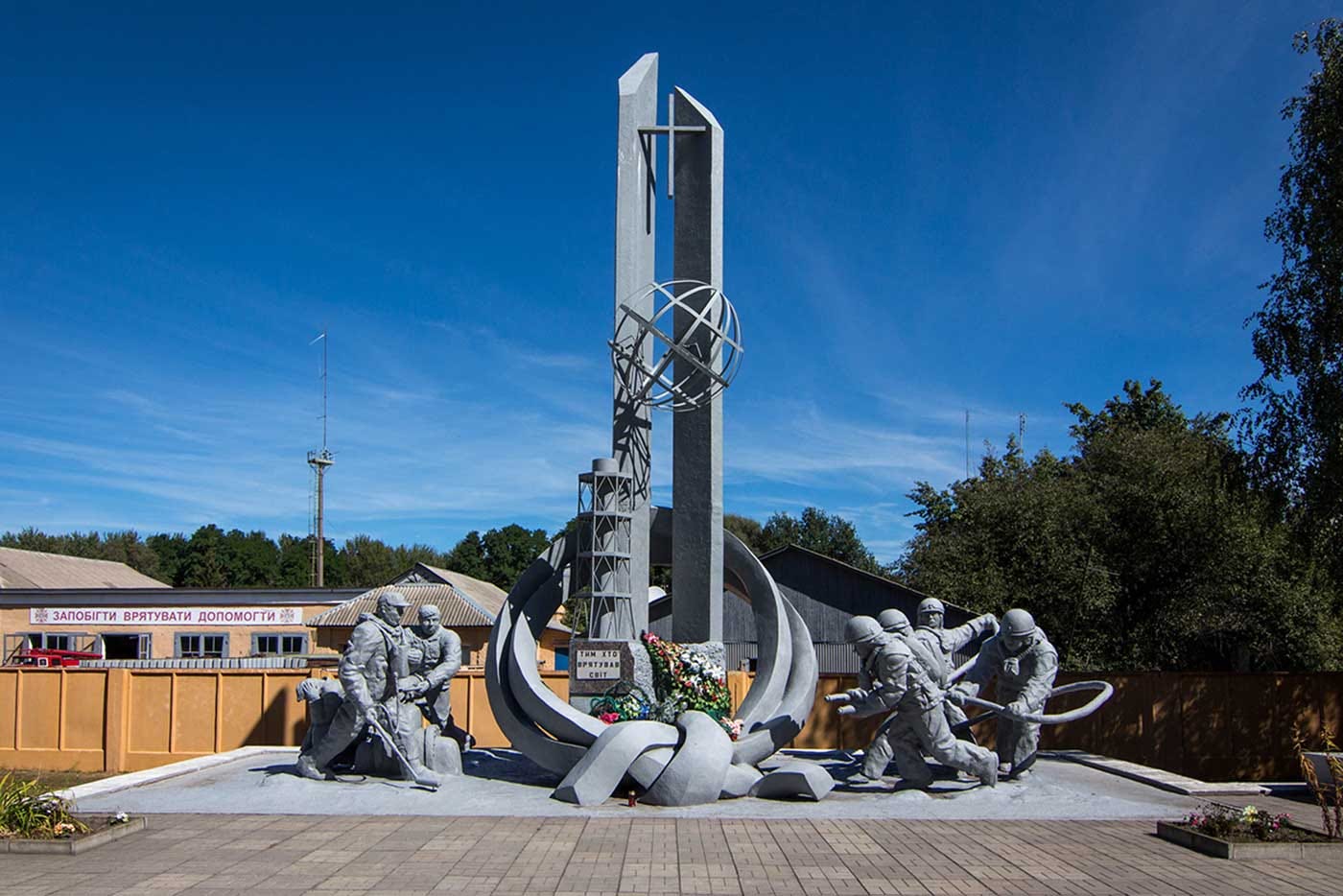
For whatever ideological disparity there is between the free west and the communists of yesteryear, I would personally agree that the heroes of the Chernobyl disaster deserve the monument that stands today at Pripyat, commemorating their sacrifice. It’s called the “Monument to Those Who Saved the World.” It may sound like hyperbole, but after reading their stories, I’m not going to argue with it.
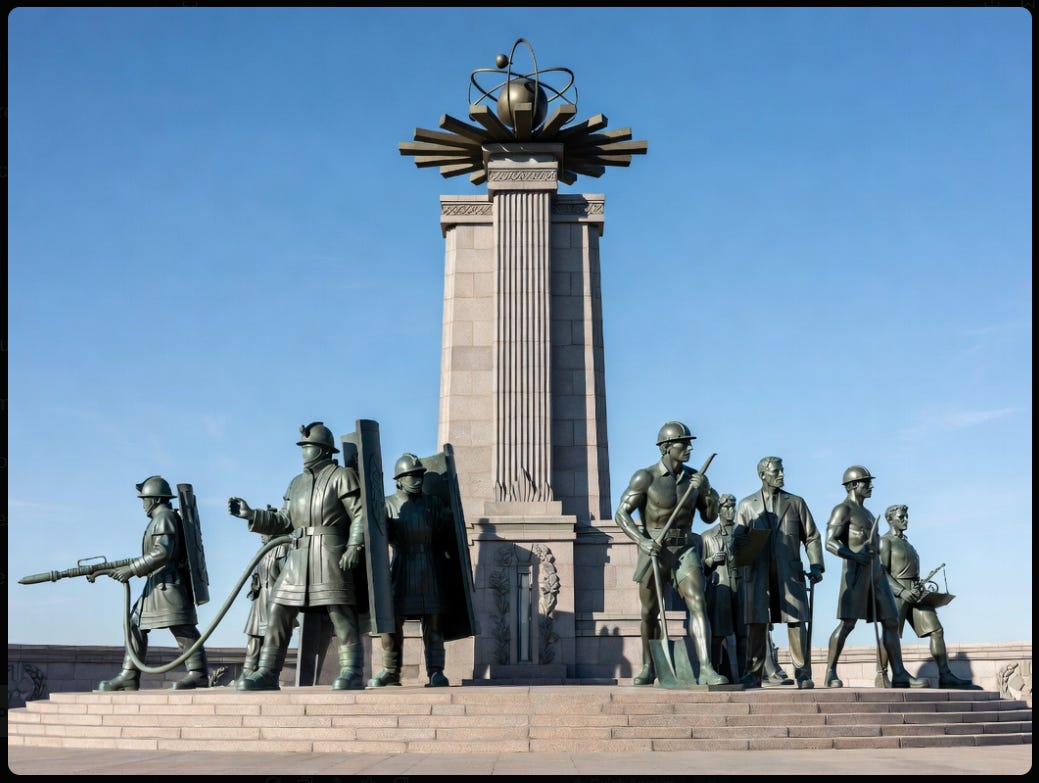
I am, however, going to ask AI to render a slightly more pleasing version of the sculpture using art deco cues, instead of the Soviet brutalist style. Then again, it’s art by their people, of their people, for their people, so it’s up to them.
Anyways…don’t forget the lessons of Chernobyl. Don’t cut corners with fire. With the wrong kind of fuel, everything burns.
Another fascinating article. Thanks Trucker. Respect.