

Chapter 18 is called “Of the Ruin of Beleriand and the Fall of Fingolfin.”
I Think They Have WMD in Angband
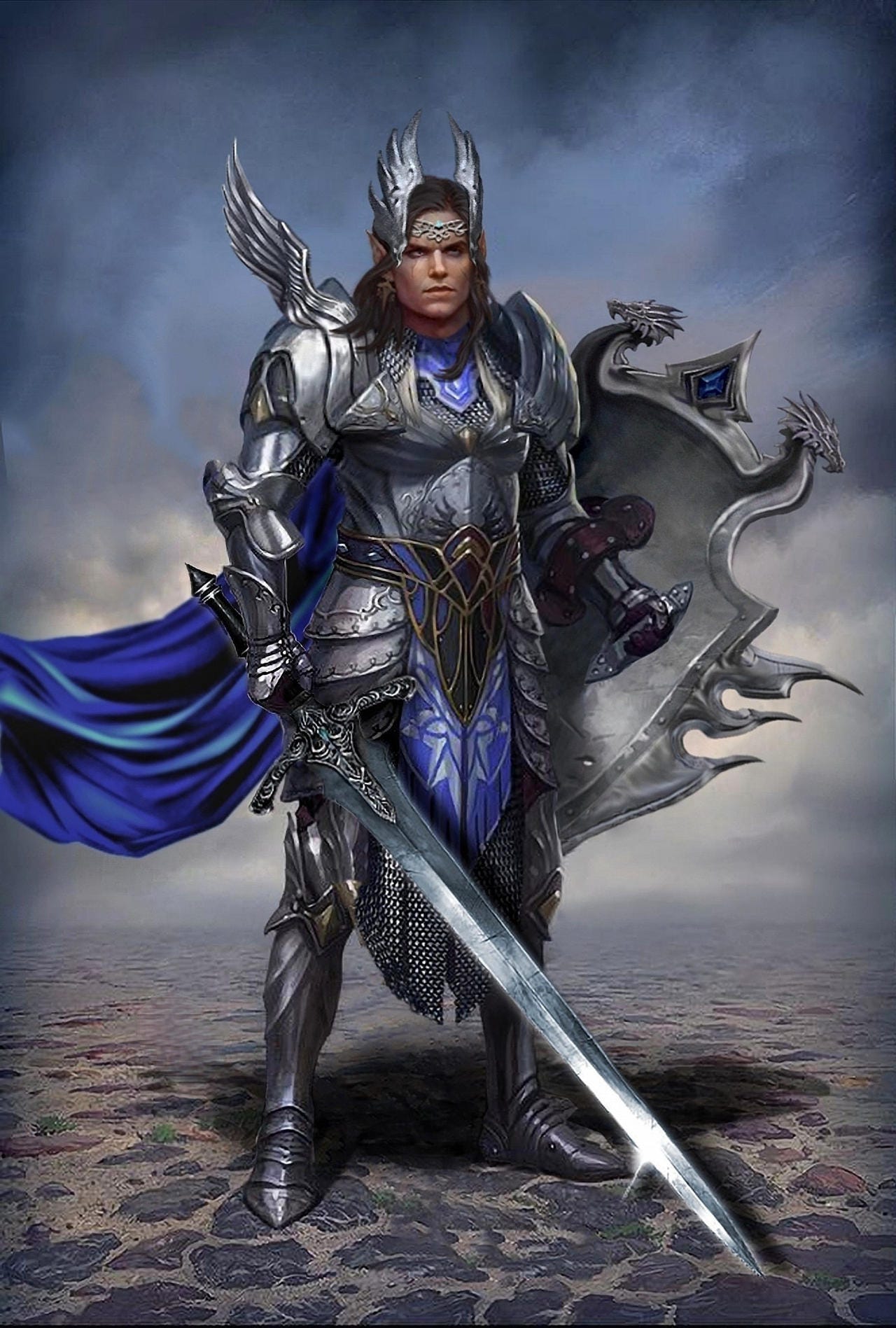
Fingolfin, King of the Noldor and of the North of Beleriand, has a problem on his hands: Morgoth, the Black Foe, is still building strength in his fortress, Angband. Since the last time the Noldor fought him, their numbers are way up, as are the numbers of Man. They have a great deal of martial strength so the question is: do we use it now? Do we make a proactive push to wipe out our greatest enemy, the Vala who killed Finwë AND Fëanor AND stole the Silmarils?
If you want to go to war, you’ve got to give the people a reason, and unfortunately for Fingolfin he’s not the best salesman. Not enough people want to leave their homes and their peace. Bummer, but even so, Fingolfin is unaware of Morgoth’s strength and that it’s even greater than the alliance of Elves and Men.
…for the Noldor did not yet comprehend the fulness of the power of Morgoth, nor understand that their unaided war upon him was without hope, whether they hasted or delayed.
p. 175
He will eventually attack them. The war will happen and Fingolfin can’t get them to prepare for it or kick it off themselves. Heavy is the crown.
Reign of Fire Inbound
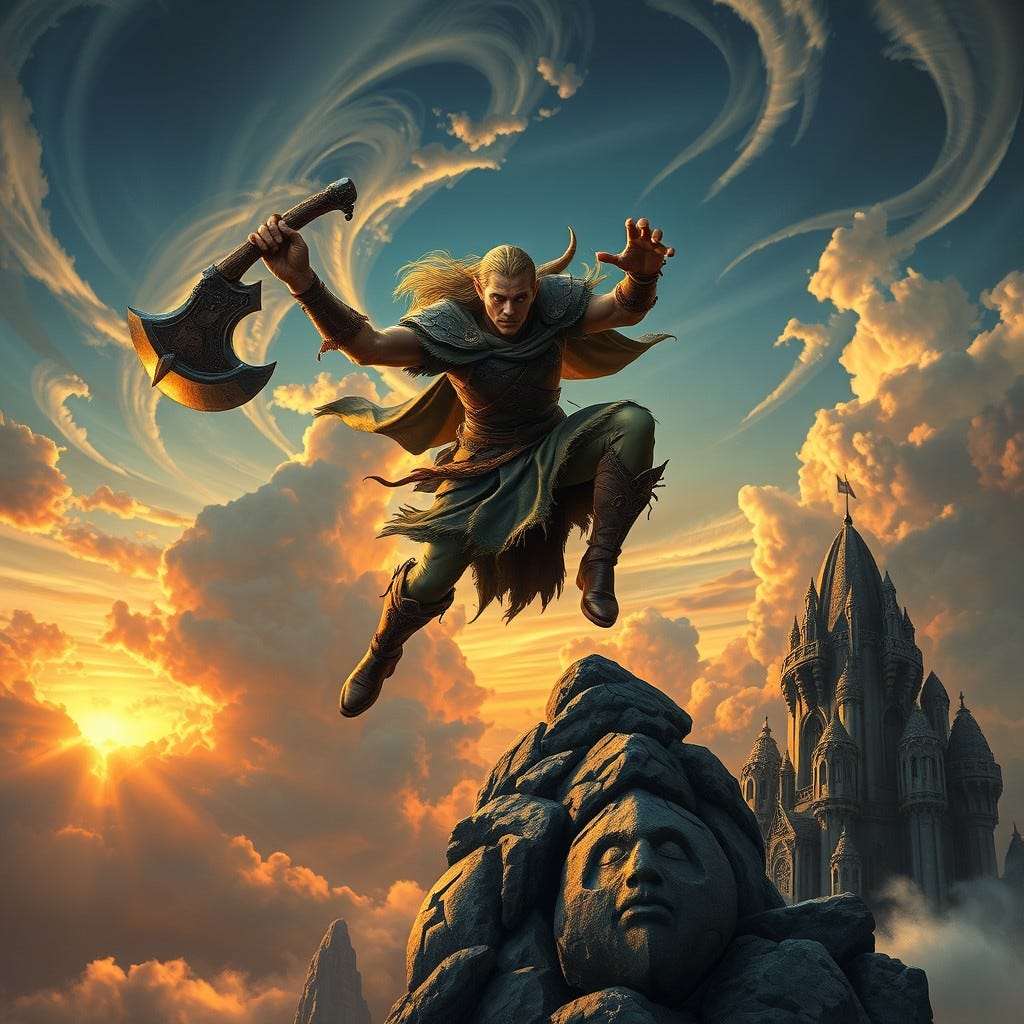
Even if they’d been ready, what would they do against swift rivers of lava and a freaking dragon? Because that’s the flaming hell that Morgoth unleashed upon Beleriand when he was finally ready, and his destruction was swift. Boom, instant death everywhere. The siege of Angband was broken, huge numbers of Elves and Men died all at once, and suddenly the land was scorched. Glaurung, the dragon who got in trouble earlier for revealing himself to the Elves when he was young, was now fully grown and doing his thing to the Children of Ilúvatar.
Thingol and Melian were safe. Their realm in Doriath was protected by “Melian’s girdle,” and I’ll remind you here that she is a Maia, like Sauron. Other familiar names weren’t so fortunate. We’re introduced to a Man named Barahir, friend of Finrod, who was the son of Finarfin, the brother of Fëanor. Barahir is of the lineage of Bëor, so we have descendants from big Elf houses and big Man houses still holding to strong friendships and answering the call when they need help; in this case Finrod and his troops are cut off by Morgoth’s forces, but Barahir and his men come to the rescue. This particular friendship will matter later.
Maedhros, the one-handed son of Fëanor, fights valiantly, even though his forces suffer heavy losses when Glaurung and the Orcs bear down on them. Other lands and people are mentioned, and I’m reminded of chapter 14 which heavily relied on the use of a map for its value, so when you do your own reading of this chapter, keep a thumb on that tab.
Fingolfin Goes into YOLO Mode
Fingolfin, half-brother of Fëanor and first son of Finwë by his second wife, thinks this is it for the Noldor. They’re beaten. Whether they’d taken the first shot at Morgoth or not doesn’t really matter, this fight would have happened anyway. Epic last stand music kicks off in his pointy ears and he says screw it, I’m the King, it’s my job to lead my people, I’m going to solo the hell out of Morgoth.
And he freaking does it.
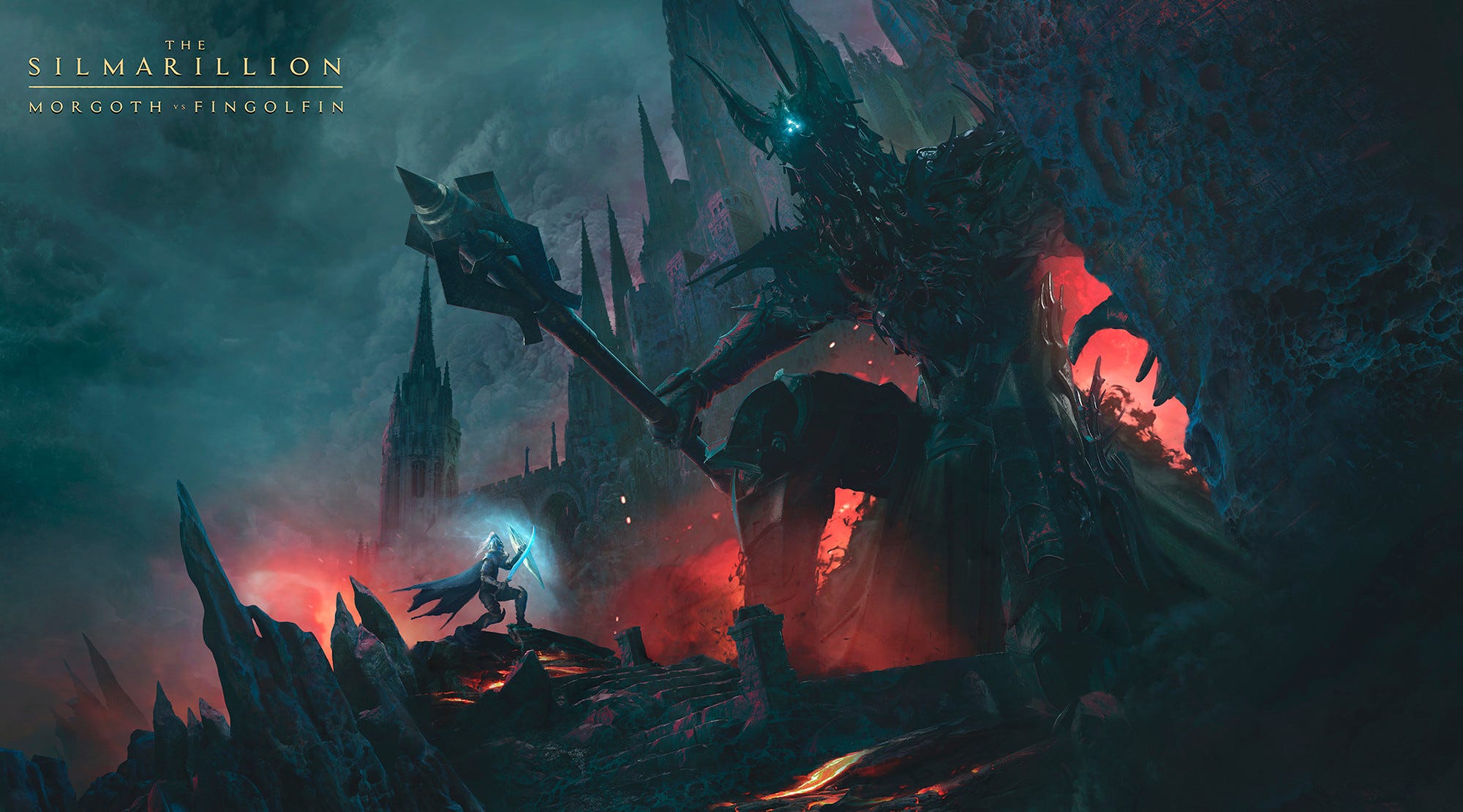
The descriptions in this scene are beyond epic. Oromë, the great hunter of the Vala, is dredged up in the memory of the Noldor when they see their king riding off to fight a thirty foot-tall archangel with a normal-sized sword and shield. He challenges Melkor the Morgoth to single combat and for a while he actually holds his own. Not only does the short king land seven blows on Morgoth with his sword, he leaves an unforgettable mark.
Unfortunately Morgoth whips out his giant mace, Grond, the Hammer of the Underworld, and swings it around like a toddler holding a cup of grape juice in a wedding store. He misses Fingolfin and hits the ground so many times that he leaves it full of craters. Eventually Fingolfin trips and falls into one of these and Morgoth steps on him. Fingolfin’s final act is to wound him in his foot so that Morgoth will hobble for the rest of his existence. His spirit flies off to the halls of Mandos, knowing he gave his all.
“Know him? I gave him the limp.”
Before Morgoth can take Fingolfin’s body and break it for a trophy, one of the giant eagles swoops down and snatches him up, saving him because of his honor.
Guess Who’s Back…
The sons of Men do their part too, and it costs them. Barahir leads his troops against Morgoth’s forces in a violent and bloody brawl that cuts down their numbers drastically. They’re left to retreat to the wild highlands where the Orcs won’t pursue, and they’re in such bad shape that they don’t bother setting up new villages or homes; they just wander and live in the wilds. Among them is Barahir’s son, Beren, who’s about to be very important.
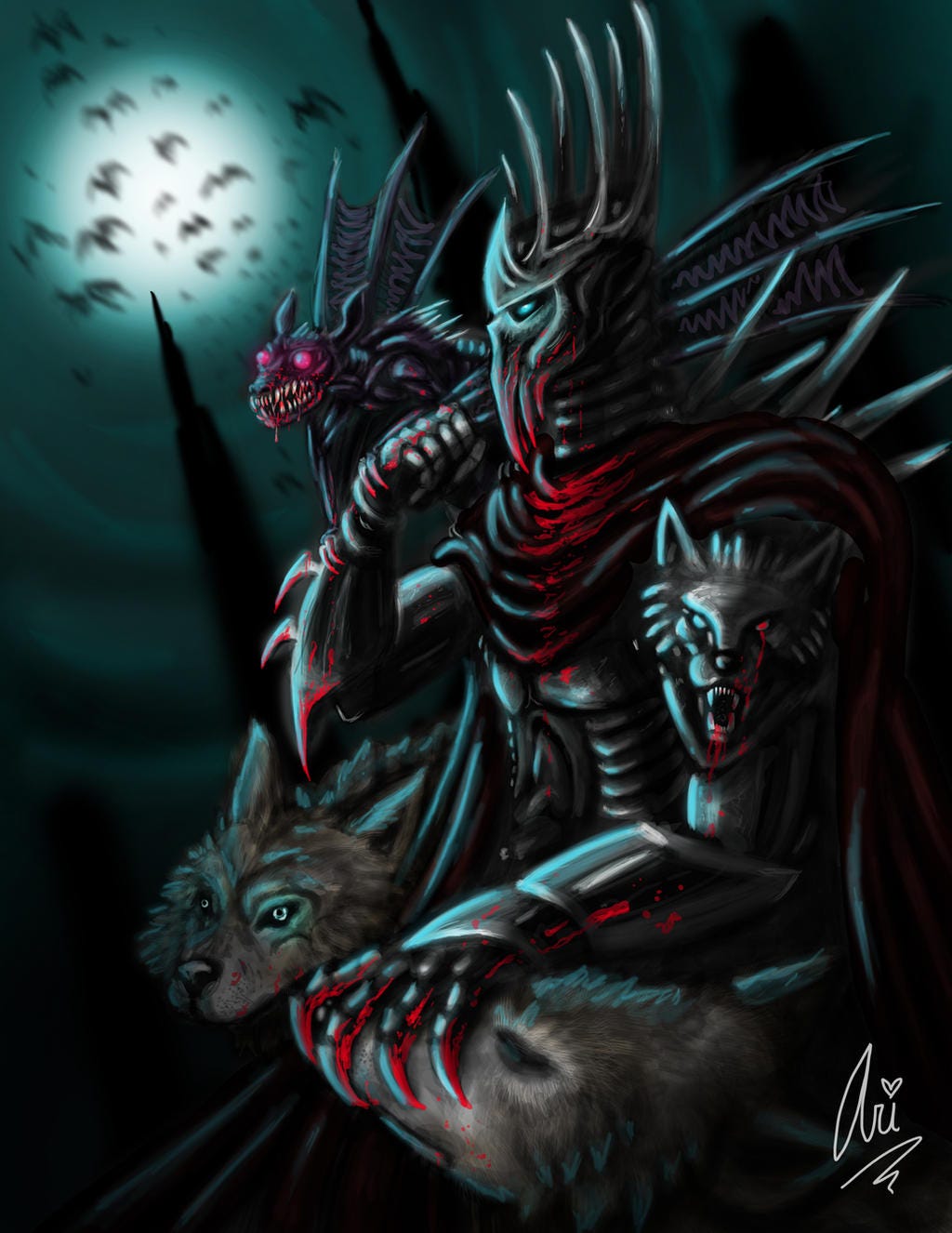
The fate of Men changed in this battle, as did the fate of the Elves. Sauron comes back into the tale, having disappeared long ago when Tulkas broke into Utumno and captured Morgoth the first time. Sauron is now a powerful sorcerer and has other titles to his name, like “lord of werewolves,” which matters for the next chapter. His legions take control of the western part of Beleriand and they capture many Elves, who they then torture and turn into spies, sending them back among the free people and using them against their kin.
Morgoth does the same thing with certain lineages of Men who he uses against the remaining Noldor. Neither of the two races are spared from being twisted by Morgoth and Sauron, to the detriment of their fellows.
Seeds of Downfall
In the wake of this loss, two sons of Men—Húrin and Huor—find their way into the secret city of Gondolin, where they meet King Turgon and his nephew, Maeglin. Under normal circumstances they’d never be permitted to leave now that they know where it is, but Maeglin doesn’t want them around, and they’re eager to get back to their people who they know are imperiled by the new balance of power in Beleriand.
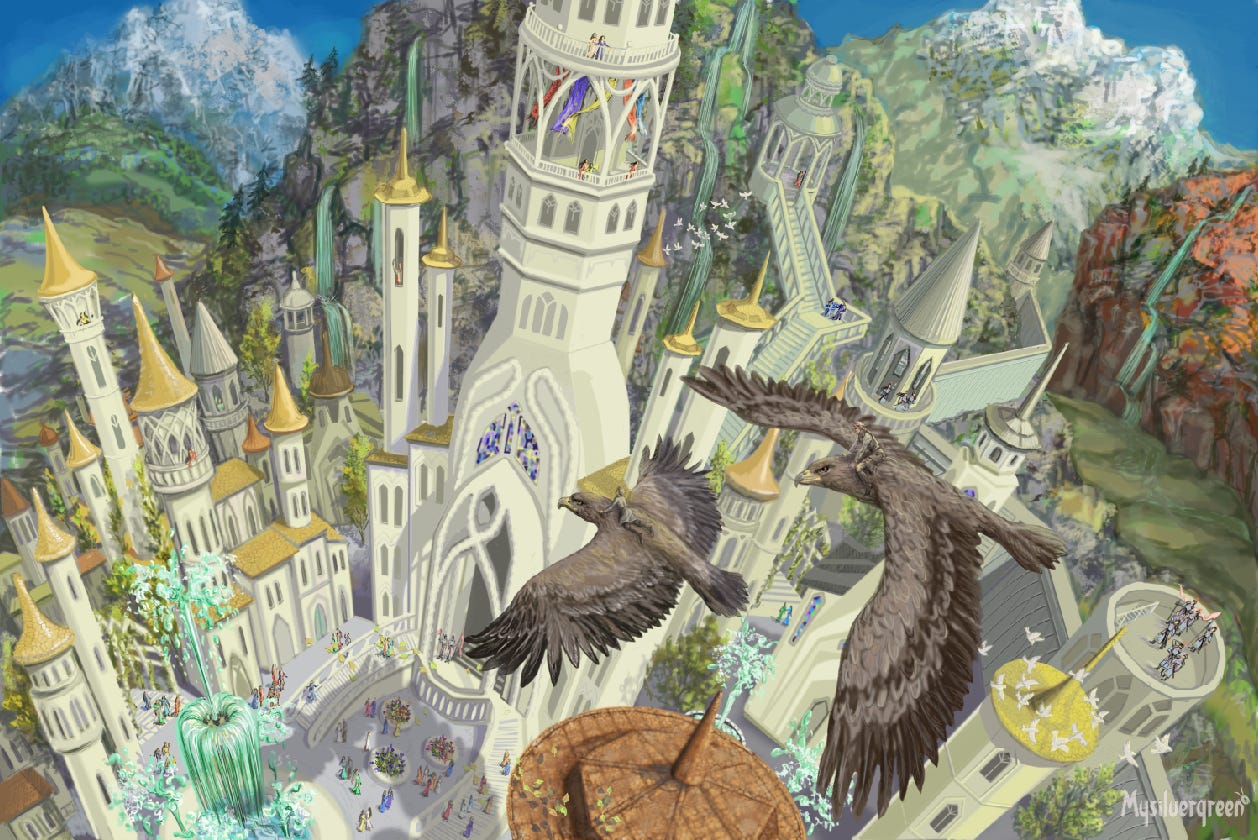
When they were questioned by other Men as to where they’d been, they would only say that they’d been rescued by Eagles, and that the rest had to be secret. This was enough for the spies of Morgoth to deduce that there was a secret city out there, in a general area that they could close in on, and so the beginning of Gondolin’s end was set in motion.
By the end, Húrin becomes the King of his house of Men, which in turn is closely allied with Fingon, son of Finarfin. These survivors maintain a strong bond. In fact, it was their valor and determination that Morgoth underestimated; in the same way that Fingolfin didn’t know Morgoth’s true numbers, Morgoth didn’t know Fingolfin’s true strength, which was more than the raw power each group wielded. They were stronger together.
It wouldn’t be the last time he would learn this lesson.
But on his part esteemed too lightly the valour of the Elves, and of the Men he took yet no account.
p. 176
Get your paperback copy of the Silmarillion and read along! This is an affiliate link, so if you buy a copy through here, I’ll get a small commission.