

Chapter 16 of The Silmarillion is called “Of Maeglin.”
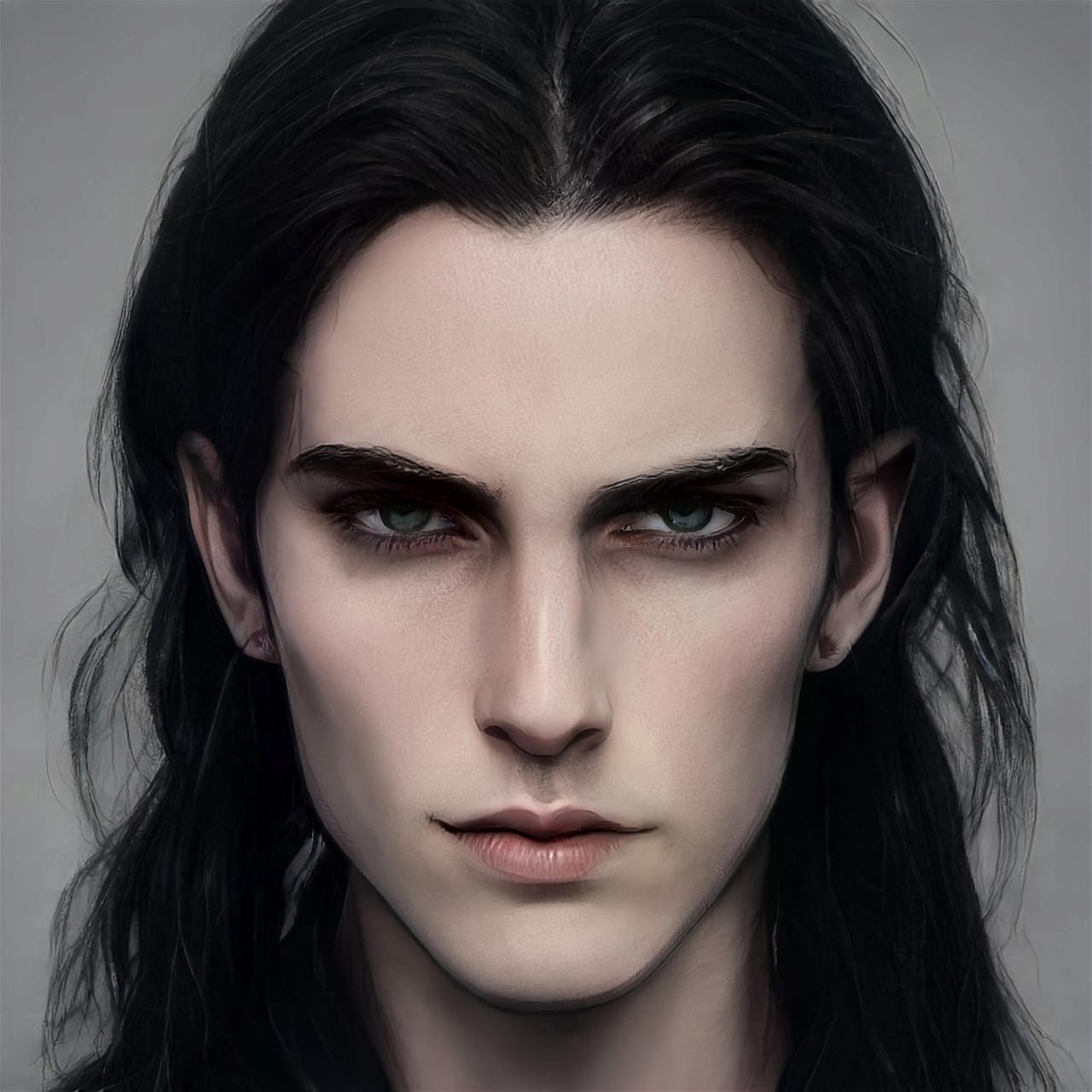
Art by IvorySummers
Remember the Telerí?
Since nothing in Middle-earth can have just one name, I’ll remind you that the Telerí are the sea-Elves, the original shipwrights of the boats that Fëanor stole during the Kinslaying. One of them, a male named Eöl, features heavily in this chapter. He’s a maker of things, friendly with the Dwarves, and notably he’s a smith who made a sword that will eventually find its way into the hands of Túrin Turambar. That’s an important name for later.
Eöl being Telerí is significant because he marries an Elf woman named Aredhel (the dh makes a sound like the soft th in “then”), and she is of the Noldor. Jets and Sharks, Capulets and Montagues, Bloods and Crips. Her brother is Turgon and their father is Fingolfin, brother of Fëanor. While Fingolfin doesn’t have the wicked reputation with the Telerí that Fëanor does, they were still kin, and so the descendants of Fingolfin are watched by the Telerí with similar wariness.
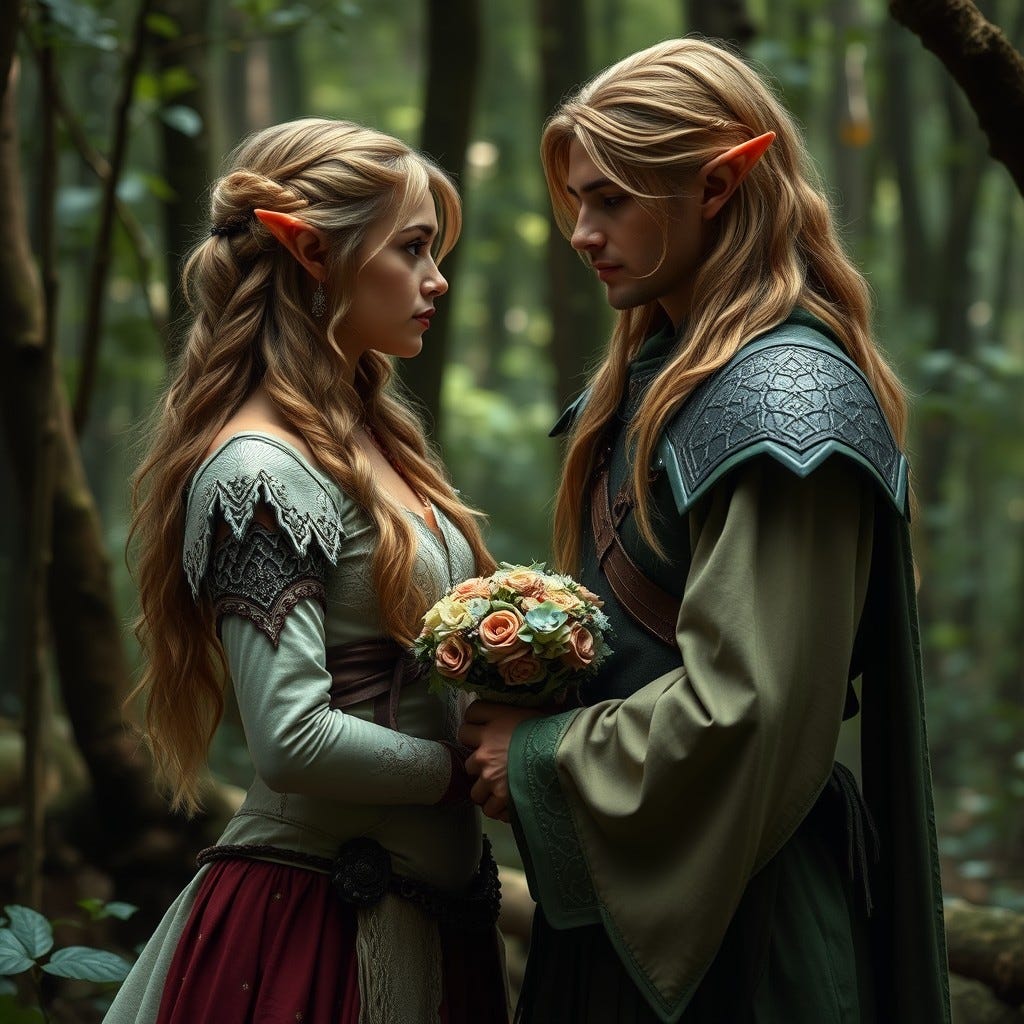
Obviously it’s not enough to keep Eöl and Aredhel from getting together and having a kid, but from there the marriage goes sour. Their son is named Maeglin, and he will play a key role in the Fall of Gondolin…unfortunately.
Feanor’s Kinslaying Still Felt
The chapter starts with Aredhel living in Gondolin where Turgon is king. She wants to go visit the sons of Fëanor; Turgon is reluctant to let her leave because she knows the location of the city, and he wants to keep it hidden from Morgoth and his spies. Still, he can’t control her, so he sends her with an escort, which she eventually ditches.
She tries to pass through Thingol and Melian’s realm on her way to her cousins, but Thingol won’t let any Noldor on his land, so she takes the long way to a place called Nan Elmoth and that’s where she meets Eöl. The marry, they have Maeglin, and then he starts complaining that the lembas bread isn’t ready on time and she needs to do a better job on his laundry. She says screw this place, I’m out, you suck, and she takes Maeglin with her, as he is now fully grown.
Really the conflict is over the fact that Maeglin now has the same itch that Aredhel had when she left Gondolin: he wants to see his other kin, but Eöl tells him hell no, screw the Noldor, you are Telerí, you’re not going to them.
Even though Maeglin takes after his father in disposition and temperament, he looks like a Noldor and he has greater affection for his mother, so they flee to head back to Gondolin where they won’t have trouble relating to their bloodline.
Running From Dad
Eöl decides to go redneck crazy and track them down, following them where no one else could. Even when they hit the secret passage to Gondolin he’s able to spot them at a great distance and find his way in. This makes Turgon mad as he now has to navigate a difficult conflict between his sister, her husband, and their son. Turgon wants to get rid of Eöl but Eöl wants to take his son and straighten him out, though Maeglin doesn’t want to leave. In his rage Eöl takes out a spear and throws it at Maeglin but Aredhel jumps in the way of it and later dies from the wound.
For that, Eöl gets the death penalty, and he curses Maeglin for abandoning his bloodline. The execution closes out a tragic saga, and while the males of Gondolin are satisfied with the ending, Turgon’s daughter Idril is very put-off by the whole affair and is wary of her family afterward.
One Unhappy Family
As a cherry of misery on top of this suck sundae, Maeglin—who grows strong and wise and powerful—also develops a close confidence with (who is also his cousin), and he becomes smitten with her (roll Tide roll). He is Telerí on his father’s side, but this whole ordeal came about because of his strong ties to his Noldor blood, and he could hardly present his Telerí ancestry as a way for Idril to overlook the Noldor custom of not marrying their close cousins.
Plus, she doesn’t like him, and she likes him even less because he likes her [PAIN] and since the necessary genres of scream-o weightlifting music don’t exist in this world, Maeglin is left to turn that darkness inside himself, and I’m sure that won’t result in any unforeseen dire consequences down the road.
Mom’s dead, Dad’s dead, cousin won’t hook up with me, guess every night is boys’ night.—The inner monologue of Maeglin.
My Thoughts
If the Elvish Fall is meant to echo the Fall of Adam in our own world, it’s different in the sense that it doesn’t all boil down to the act of one or two people, but rather the cumulative actions of entire bloodlines—even the entire race—over centuries. They can’t help but conduct themselves with pride and superiority over others, even their kin, and that pride drives them to do horrific things, even if they are Catch-22s. When this becomes a key defining characteristic of your people then it’s no surprise that evil is able to warp you to its purposes so readily.
Still, so much of what’s happened for the last few chapters is a direct result of the Kinslaying, so Fëanor does bear much of the responsibility for what he set in motion.
Get your paperback copy of the Silmarillion and read along! This is an affiliate link, so if you buy a copy through here, I’ll get a small commission.