

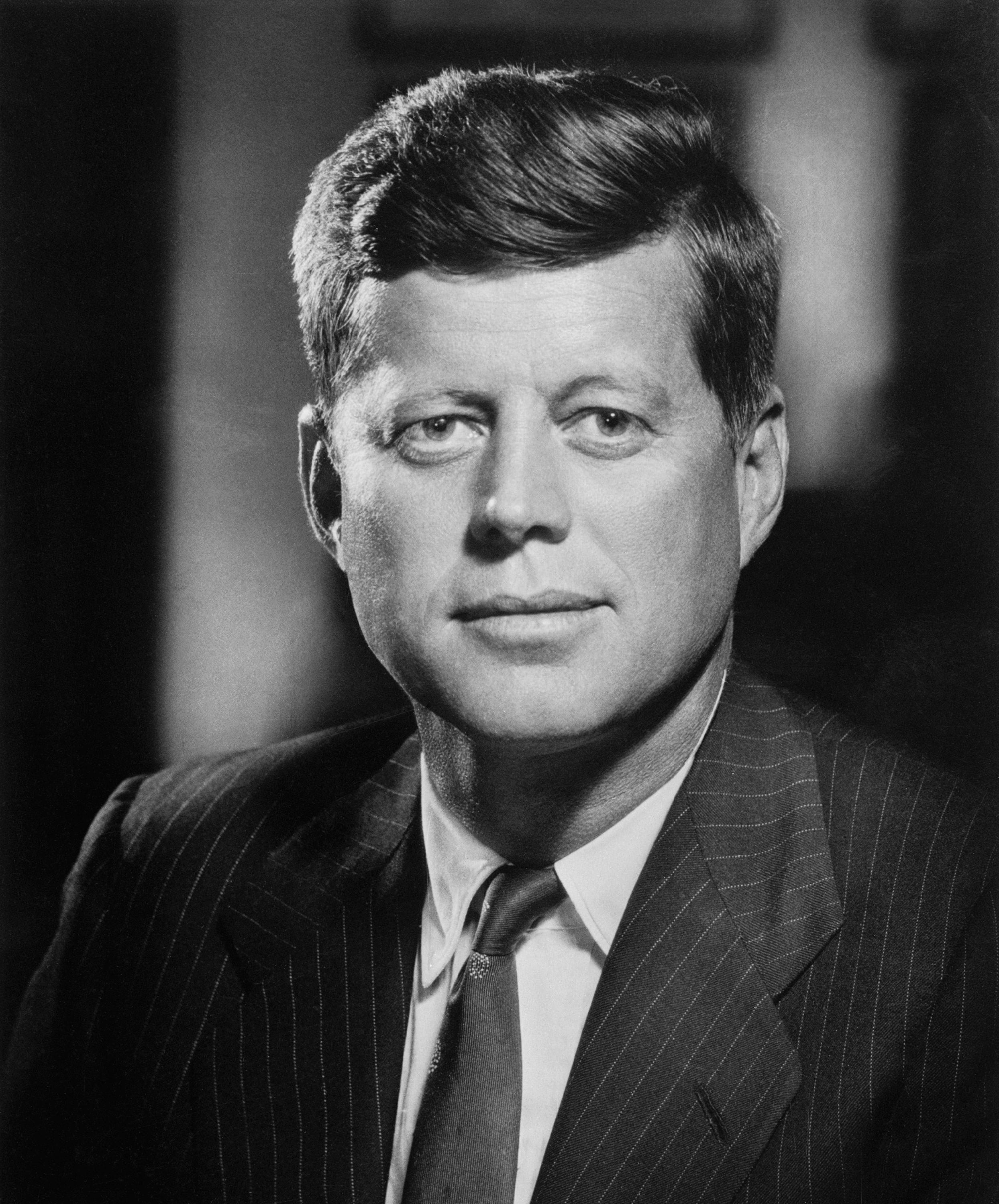
“Electoral Brawlage” examines the first inaugural address of each president in U.S. history, with some commentary and analysis. Check back on Mondays for more.
If you like shootouts, car chases, dogfights, and American history, read Heartlanders!
Subscribe to get these articles in your inbox. Become a paid subscriber to help me buy more books.
To hear historians tell it, JFK was one of the most popular presidents ever, and won his election on a massive wave of exhaustion with the war-era administrations. The truth, as always, is less cinematic, and perhaps even a little frustrating.
The Primary
On the Democrat side, JFK Jr was a charismatic Senator from Massachusetts who came from a wealthy family. He ran against Hubert Humphrey and won at the convention in Los Angeles. His V.P. pick was Lyndon Johnson, Senate Majority Leader out of Texas. Kennedy’s pick didn’t go over all that well in certain strong Democrat blocs (the South) because he was a Catholic, and also because of the Democrat party’s support of forthcoming Civil Rights legislation. More on that in a bit.
For the Republicans, the easy choice was Vice President Richard Nixon, formerly of California, who enjoyed the broad approval of the Eisenhower administration. He also picked a Massachusetts Senator, Henry Cabot Lodge, Jr as his running mate. Nixon had made a national name for himself during the hunt for communists under McCarthy, when Nixon was in the House (and then, briefly, the Senate.) Nixon had only been a Senator for two years when Eisenhower made him V.P.
The General
One of the famous turns of this election was a televised debate between Kennedy and Nixon. The former was young, handsome, and well-rested, while the latter had been grinding on the campaign trail hard and hit the debate with little rest. For all of Nixon’s virtues as a successful politician, he was older, shorter, and not sexy. People respond to looks, especially the growing bloc of female voters. During the televised debate, Nixon looked terrible under the studio lighting and Kennedy had that Chad aura. It was an easy intangible to grab on to.
The difference in their pitches was largely over the scope of the Fed’s involvement in American growth. Kennedy wanted the government to play a bigger role in growing the economy, and he felt that the military had lost its edge to the Soviets, who were accelerating development. Nixon ran on Eisenhower’s economic and military achievements and basically offered the nation stable continuity, with modest involvement from the government.
Americans can never resist a “lose five pounds in five minutes” pill, so let’s take a look at…
The Result
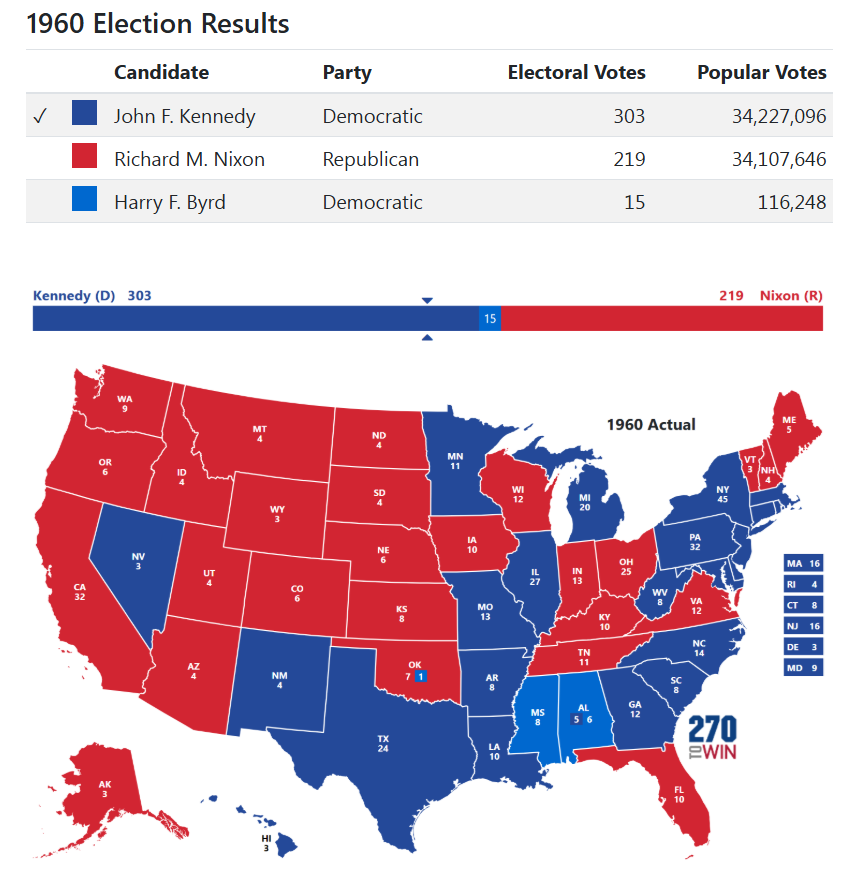
As popular votes go, this one was razor-thin: Kennedy edged out Nixon by a margin of about 120,000, just a liiiiiittle bit more than what went to Harry F. Byrd in the South. (More on that in a second.) But longtime, seasoned, sexually attractive readers of Trucker Man Reads will know the role that popular votes play in actually determining the outcome of a general election: it only matters where they are.
Nixon got more states (26), but Kennedy got the dense states (22). Byrd, running as sort of a last hurrah for blood-and-soil Dixiecrats, scavenged 2 states, 15 EVs, and 116,000 popular votes. These were never going to vote for Nixon and even if they had, 14 Southern votes and 1 rando from Oklahoma wouldn’t have covered the gap. Kennedy broke 300, and you needed 259 to win in those days (if my count is right.)
Reports came out of Cook County, Illinois, of chicanery and odd election counts, which is where this time-honored tradition maybe have really taken root, but Nixon didn’t challenge it because it wouldn’t have altered the outcome. He accepted the loss as a gentleman, conceded the race.
Historical note: Hawaii and Alaska became states in 1959. This was their first time placing Electoral Votes for president.
The Speech
There are a lot of lines from Kennedy’s speech that we still hear today. The two most famous are:
Let every nation know, whether it wishes us well or ill, that we shall pay any price, bear any burden, meet any hardship, support any friend, oppose any foe to assure the survival and the success of liberty.
And:
And so, my fellow Americans: ask not what your country can do for you--ask what you can do for your country.
Followed by the oft-forgotten clause:
My fellow citizens of the world: ask not what America will do for you, but what together we can do for the freedom of man.
Boy howdy, I sure wish the trillions of dollars we’ve shelled out in foreign aid had that stipulation attached to it. Jeez. Anyways…
The overall tone of the speech was one of transition between generations. Kennedy was young and hip, the electorate was young and hip, and he was addressing multiple generations of Americans who had only been born in that century. There were fewer and fewer with “18—” on their birth certificate, and the Baby Boomers were a staggering percentage of the growing population.
Kennedy opened his speech by acknowledging the differences in wealth and technology in the 1960s compared to what the Founders had in the 1780s, and that the power to actually abolish poverty was now in our hands, but the one thing that hadn’t changed was the nature of our arrangement with God. (I really miss the days when this wasn’t just lip service.)
…the same revolutionary beliefs for which our forebears fought are still at issue around the globe--the belief that the rights of man come not from the generosity of the state but from the hand of God.
The State was not to be the center of our lives, and it certainly wasn’t there to replace deity. The core of that concept is the idea that our rights predate man, and thus man cannot take them away, and if a man does take them away, that man ought rightly be opposed, and all other suppositions go out the window. It’s as much a declaration of the formula for peace as it is anything else, but I digress.
We also see the genesis of the idea of foreign aid, which is a noble ambition, but after sixty years of implementation there are some obvious adjustments that need to be made to the program…
To those peoples in the huts and villages of half the globe struggling to break the bonds of mass misery, we pledge our best efforts to help them help themselves, for whatever period is required--not because the communists may be doing it, not because we seek their votes, but because it is right. If a free society cannot help the many who are poor, it cannot save the few who are rich.
Just as I analyze concept and execution in art, I analyze theory and practice in government policy. You can’t judge the results of a practice on the loftiness of its theory. Foreign aid nation-building abroad has caused some problems that need to be addressed, but again, I’m editorializing backward.
The rest of the speech was a declaration and a plea to the world to work together positively to construct a better future, rather than to divide among lines that had led to war in the past. It’s good stuff, a little idealistic, but it would work if human nature wasn’t what it is.
In that way, perhaps, Kennedy’s idealism paralleled that of communism— “It works if everyone does it”—the problem is that not everyone will do it, and you can’t force them to, and if you try, you’re right back where you started. His values were in the right place, his implementation would have needed some fine-tuning. But we didn’t get to see the end result of all that. He was killed, his V.P. succeeded him, and Lyndon Johnson occupied the White House until early 1969.
More on him next week.
The End
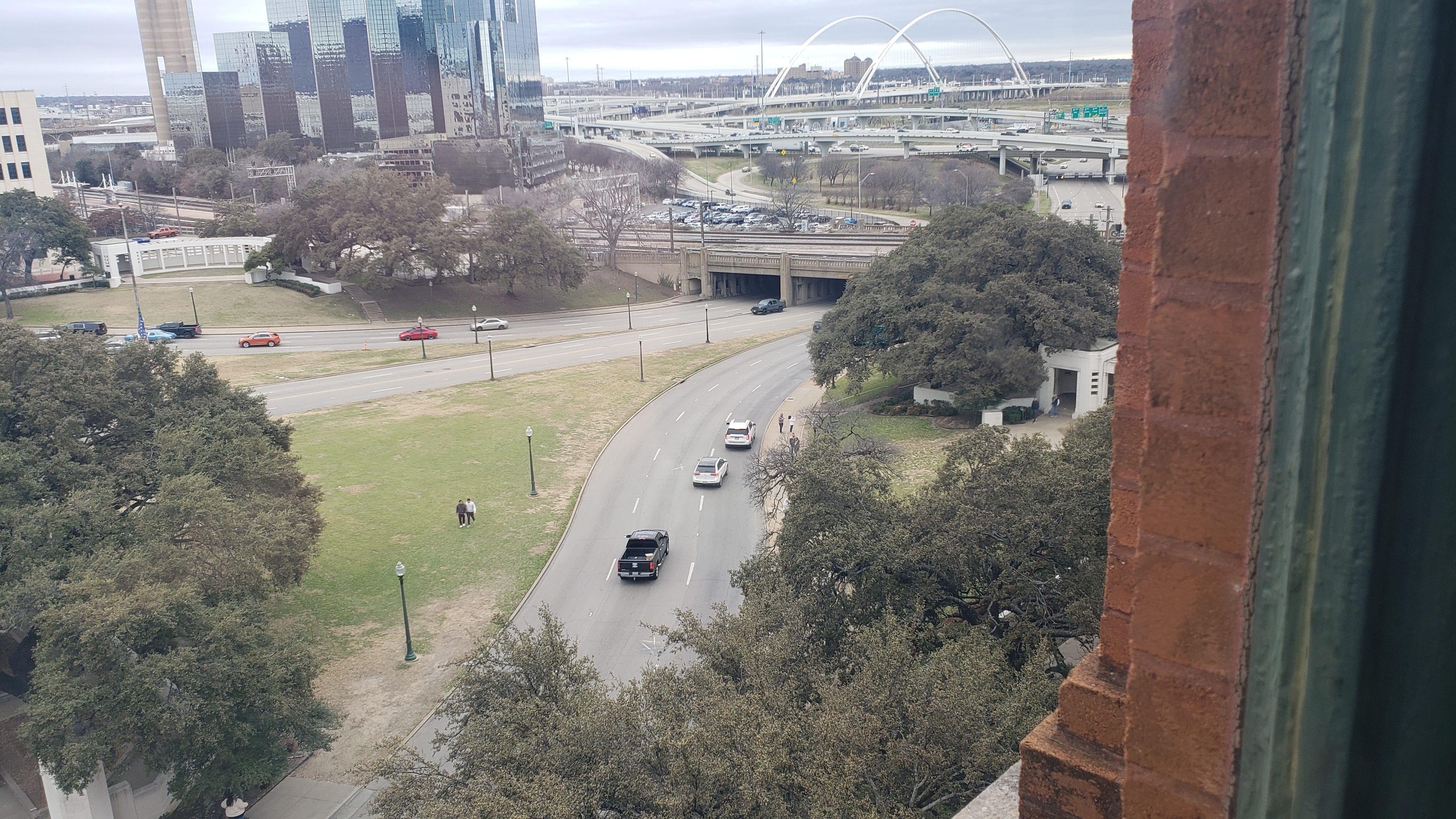
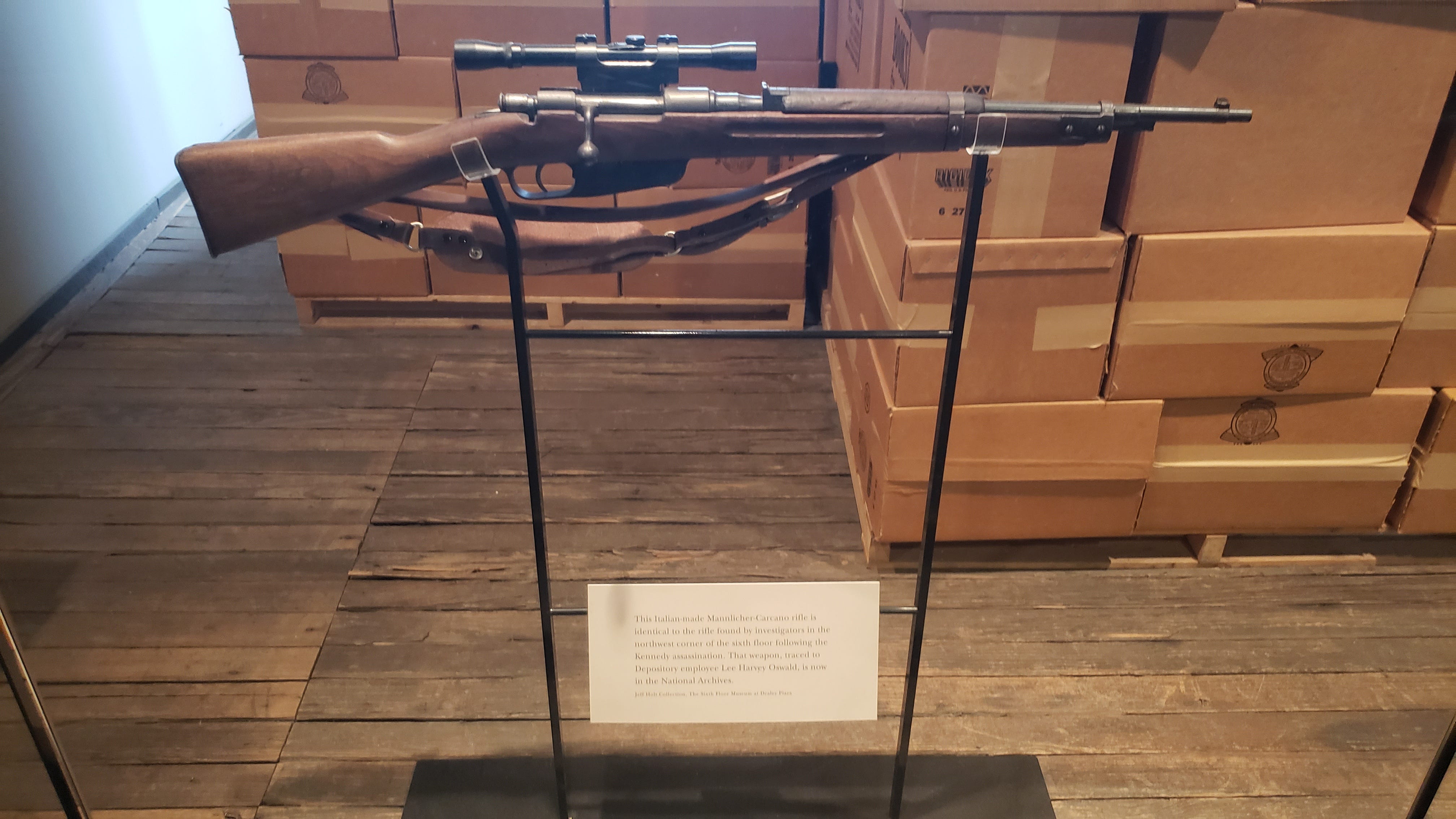
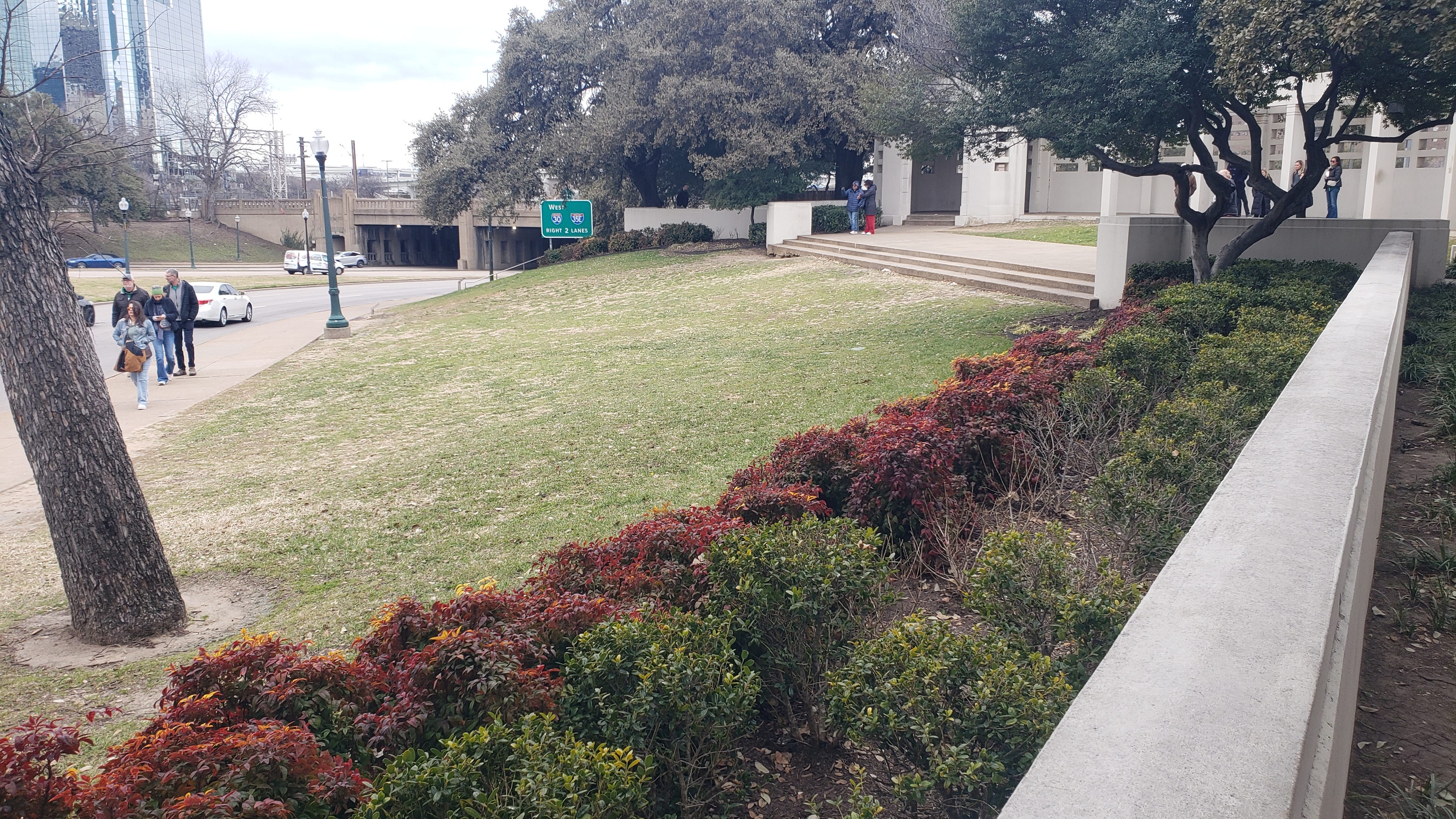
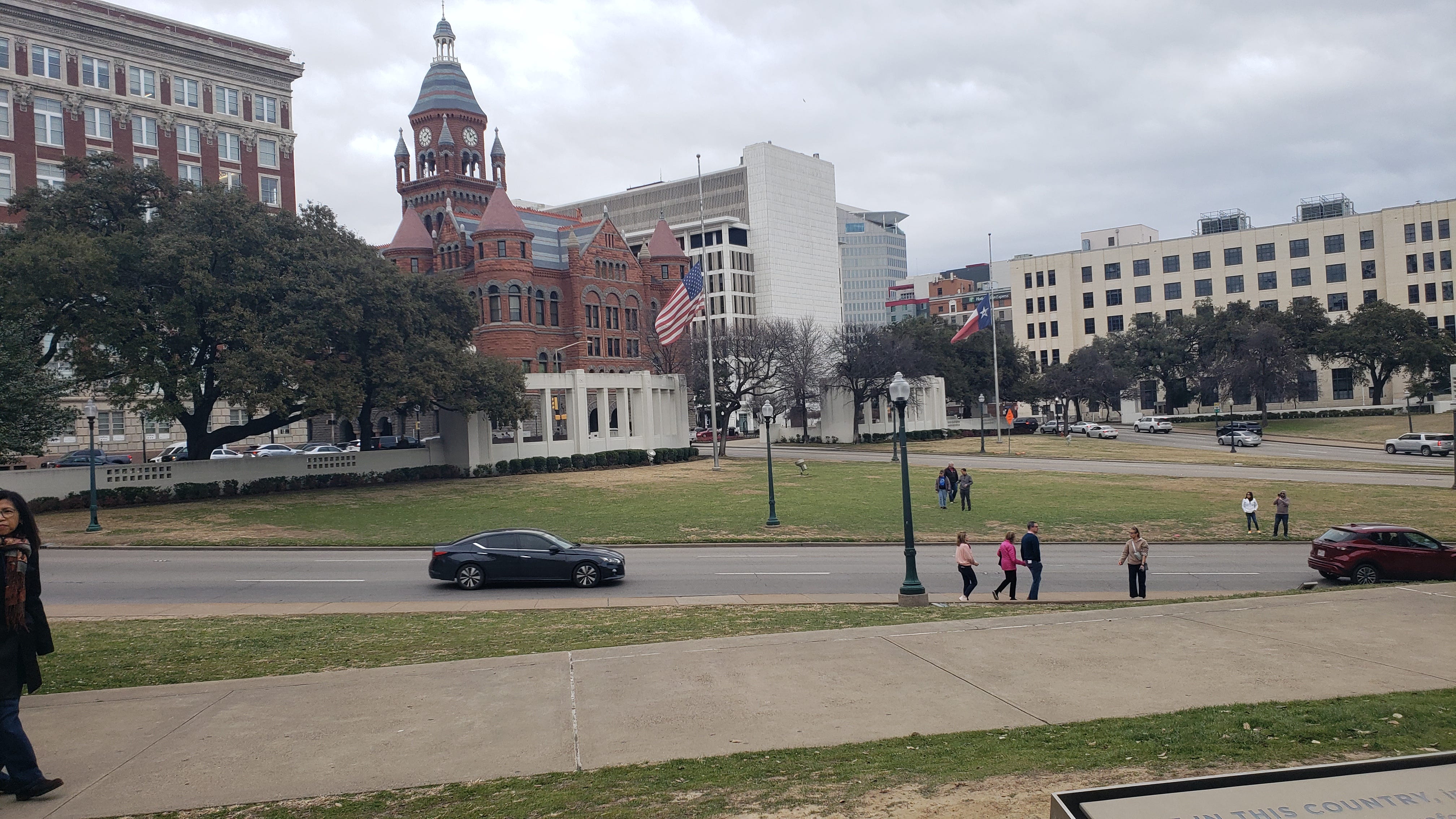
Kennedy was assassinated in November of 1963 in Dallas, Texas. I’ve been on a tour of the old Book Depository building whence came the shot.
I’ve been meaning to read a book about it to kind of flesh out my thoughts on the matter. My only real delvings into this moment in history are from high school and popular culture; I generally know it happened, and I know a fair amount of minute details, other than that I want more context.
Not for the shooting but for his presidency at large. I took the high-school-textbook version of history at face value up until I lived through the Obama years, and that has recast the way that I look at general estimations of historical figures. I want to separate the fact from the myth and make up my own mind about JFK.
Anyway, here are a few key photos from my Dallas trip in 2025.
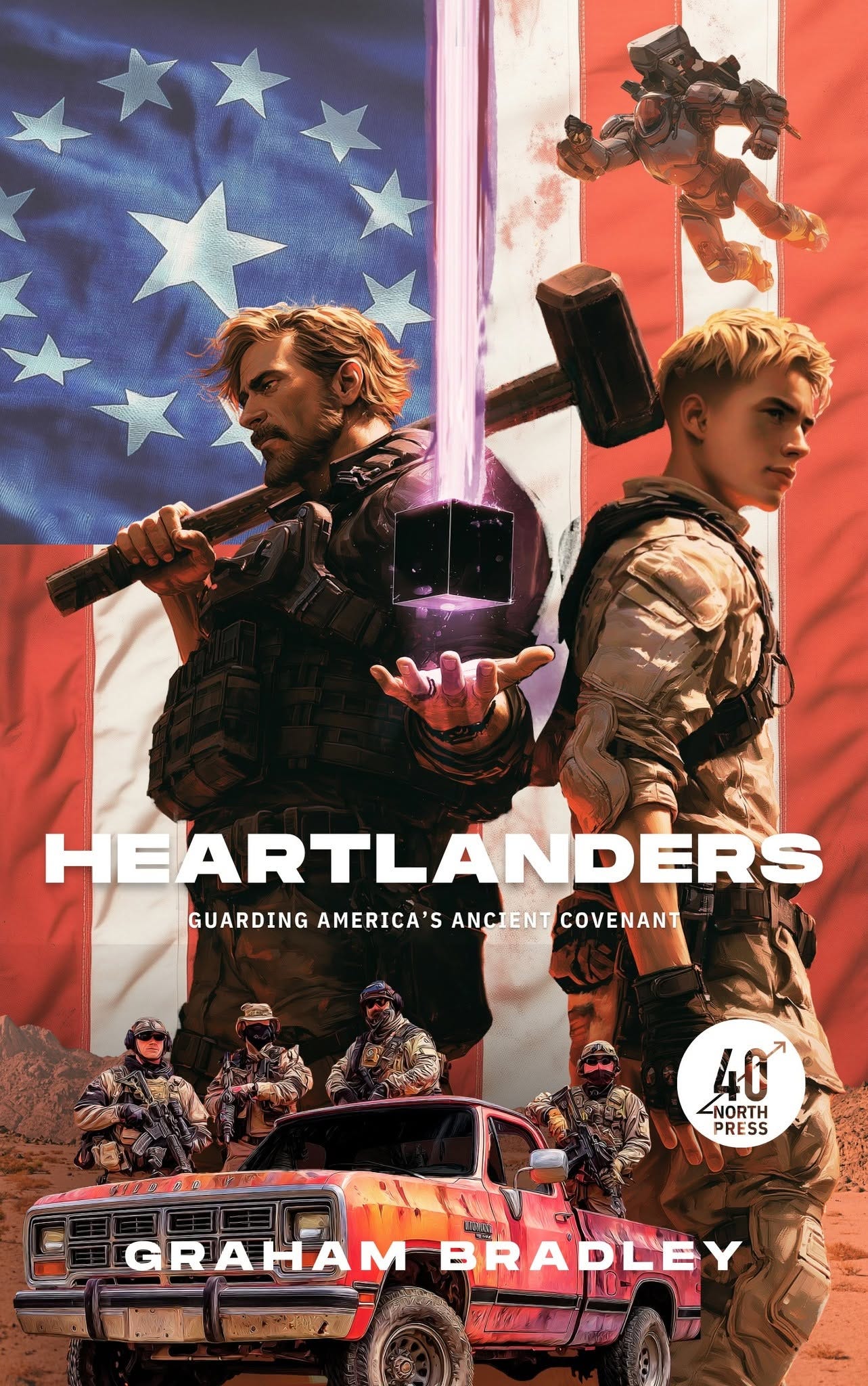
Visit Nauvoo Supply to order HEARTLANDERS, the most American novel I’ve ever written. It’s like if National Treasure happened during Fallout with G.I. Joes.
It’s short, it’s fast, it’s full of smarts and action, and you’ll love the characters.