

2026 is America’s 250th birthyear. To celebrate, I’m highlighting 50+ significant American documents from our history. So far I have covered The Mayflower Compact, Patrick Henry’s Speech, The Lee Resolution, The Declaration of Independence, and the Articles of Confederation.
Subscribe to get these articles in your inbox, along with my regular book/comic/movie reviews. I also like money, and if you like me having money, become a paid subscriber. There’ll be special content for you, including original fiction, and early access to posts.
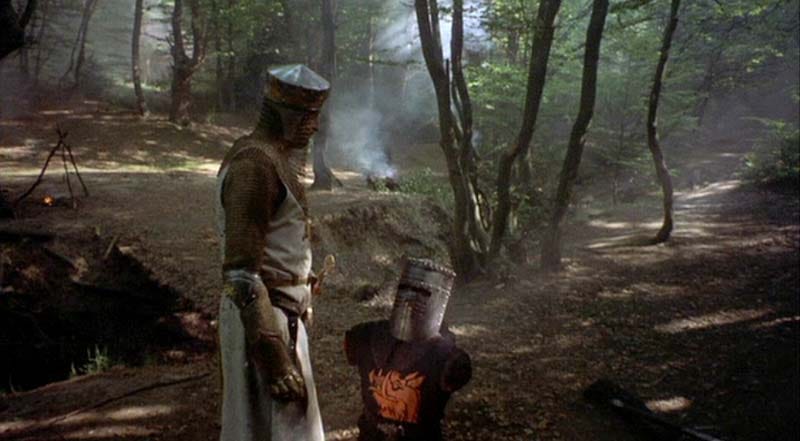
“All right…we’ll call it a draw.”
There’s not a lot of cutesy-whimsy stuff to be made about this, so I’ll just stick to the facts: the 1783 Treaty of Paris was the proper finalization of the American Revolution as far as the military conflict between us and Great Britain. They met in Paris because it was mostly neutral (although the French were the centuries-old enemy of England and had allied with us during the War), and John Adams served as our representative for the meeting.
The text of the Treaty is somewhat dry, once you get through the opening. There’s some flowery language where each side compliments the other, looking to the future and to what they hoped would be a productive international relationship (but it might be a few generations.) Britain conceded America’s independence, and the ten subsequent Articles clearly defined the boundaries, borders, and rights of the United States with regard to fishing, commerce, and other pertinent interests.
The significance beyond that is the date. September 6th, 1783, marked the official end of the Revolutionary War. The colonies were already operating under the Articles of Confederation, and had been for years. It would be at least four more years before they started arguing over the purpose of Federalism, and two years after that before the Constitution was ratified.
For now, a conflict that had been defined by both its martial and its political components had put the martial side to rest. All that remained was the legalese, and the Americans could handle that on their home turf.