

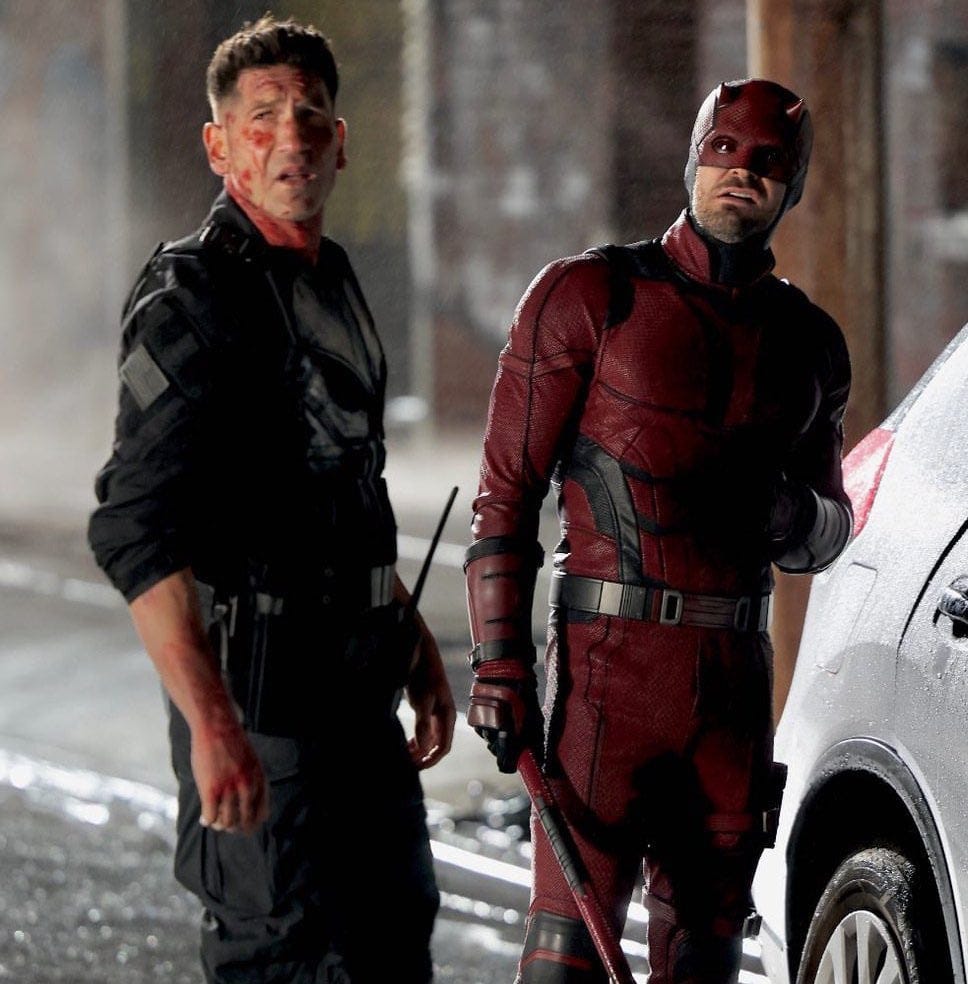
Aiight, they’ve finished the Disney+ reboot/sequel/tie-in that aims to bring Daredevil fully into the MCU. There were plenty of cues in the original Netflix series (2015-2018) that hinted the two stories existed in the same continuity, but the Hell’s Kitchen part of the story was always siloed off from the larger events.
Not only is Born Again a sequel to that series, its connection to the other MCU shows and movies is more overt. We’ll eventually see this gang in the theaters.
I’ve covered individual episodes here and on my second YouTube channel, so I’m not going to belabor the point about each of them. Now that the debris has settled, I want to answer a few questions about the show, so here goes.
Was it any good?
Yes, and not just compared to other MCU shows on D+. The season premiere established the expectation that Murdock and Fisk would both reassume their alter egos as Daredevil and Kingpin. Neither man wanted to—Murdock’s goal was to be an effective lawyer in the court system, and Fisk wanted to revitalize New York City through the political machine.
Mounting frustrations, chronicled through individual episodes, formed stepping stones in their regressive journeys, as they realized they both “had it right” before: the systems didn’t work and it was time to get practical.
Was it an allegory for Current Day-isms?
I said in the beginning that the writers were definitely doing “Kingpin as Trump” and that bore out, in the beginning. Nevertheless the idea worked in a vacuum and was consistent with the genesis of the character in the 2015 show; politics was just Fisk’s latest method of assuming power over the city.
He never pursued a parallel path to Trump, though. He was just a big blustery guy with an extremely divided electorate behind him. His journey and his conclusion (in season 1 anyway) were consistent with the Kingpin character.
As for Murdock, the only Current-Day-ism was an elevated focus on mental health, because his girlfriend in this series is a therapist. It is, once again, relevant for the story in its own way, and not some cheap attempt at the writer lecturing the viewer using the character as a hand puppet. (We know that what looks like.)
How much filler was there?
The Netflix show, while excellent, was always about 25% longer than it needed to be. Episodes could have been trimmed down, combined, etc. I skipped the entire Karen episode in season 3, I just couldn’t be bothered to watch it and it had no purpose beyond filling a 13-episode order for the platform.
This season is sort of a collection of trilogies, like Andor was over on the Star Wars side of things. The first three episodes are about Matt losing Foggy, and then defending White Tiger in court. The middle three are about Matt dealing with the serial killer Muse. The final three are about Fisk’s escalation and his upward arc to being Kingpin.
All three trilogies turn the heat up bit by bit, revealing more cracks in the facades of these men. Murdock fully embraces Daredevil again, and Fisk goes full Kingpin. Every step was meaningful and measured while showcasing side characters who play a role in the process.
Where could it improve?
I get that this is supposed to be a dark, gritty TV show for big boys who are super tough and grown up, but the F-bomb droppage was way too high here. Parts of these episodes felt like dialogue from playground sixth graders who learned half their vocab from the comments section. It was just trying too hard to be tough and dark and gritty. It didn’t even become comical, it became tiresome.
There were also a couple of moments where you “see the script through the writing.” I’ve talked about this effect before; the writer clearly needs something to happen and finds a blunt way of getting there, usually because they’re pressed for time. The mid-credits scene with Punisher in the final episode is an example of this. (That cop was really stupid.)
What happens next?
Well, without spoiling the ending, I’ll just say: be prepared for a cliffhanger. Haters will say nothing resolved at the end of the series, and glazers will say it’s just like any other season finale where you had to wait until the end of the summer to find out what happened. Streaming shows are, after all, emulating network television with greater regularity lately.
I’m going to be honest and say I was a little disappointed with the ending because I was hoping for more resolution—but it WAS a cliffhanger that set the table for a very different tone going into season 2. And a second season was announced months ago, so viewers largely knew this was coming.
I expect we’re going to see other superheroes in the next season. We got a solid team-up with Murdock and Castle, which fans have wanted for a decade. We also had a reference to Spider-Man (which I highly doubt we’ll see in this show) which leaves the door open to other Avengers popping in. I wouldn’t be shocked if the found a way to cameo She-Hulk, Echo, or even Hawkeye into this thing next year (although none of these characters fit the bill for the tone of this show.)
Basically, season 2 of Born Again is going to feature an all-out war in New York City between Fisk, his cops, and Daredevil’s allies. The show is filming right now, and John Bernthal is in the development phase of a Punisher special which—after watching this—will come highly anticipated.
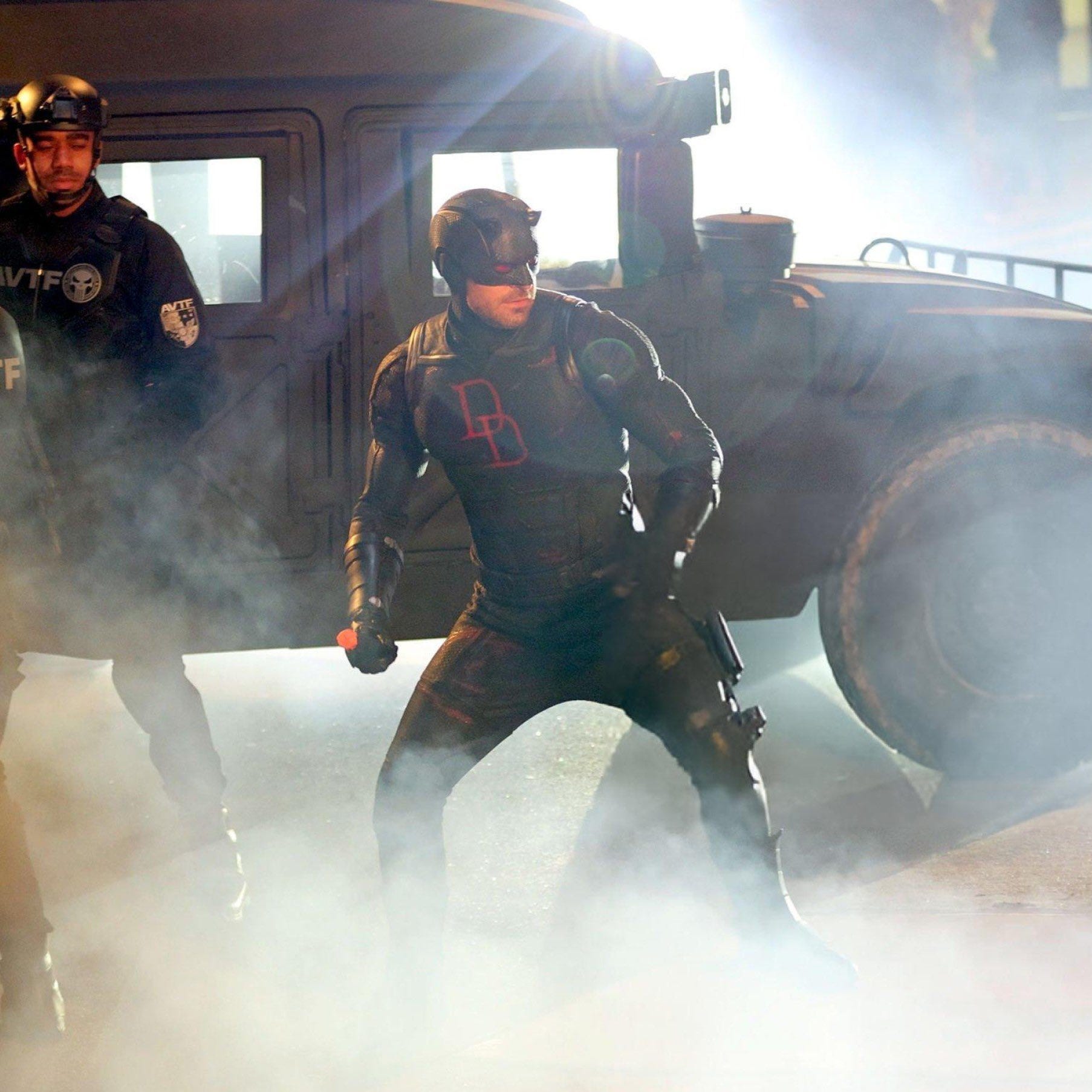
While I wanted a more complete ending to this first season, the revelations in this episode were satisfying and substantive, and yeah—it’s a throwback cliffhanger of the sort you get on network TV every summer. We’ll see where it takes us next spring.
Let me know what you think.