

The year 1776 began on a Monday, and is remembered as the pivotal year of the American Revolution—even though it started a few years before, and went on for many years after. This series offers a weekly recap of what happened on both the political and military fronts.
Cambridge
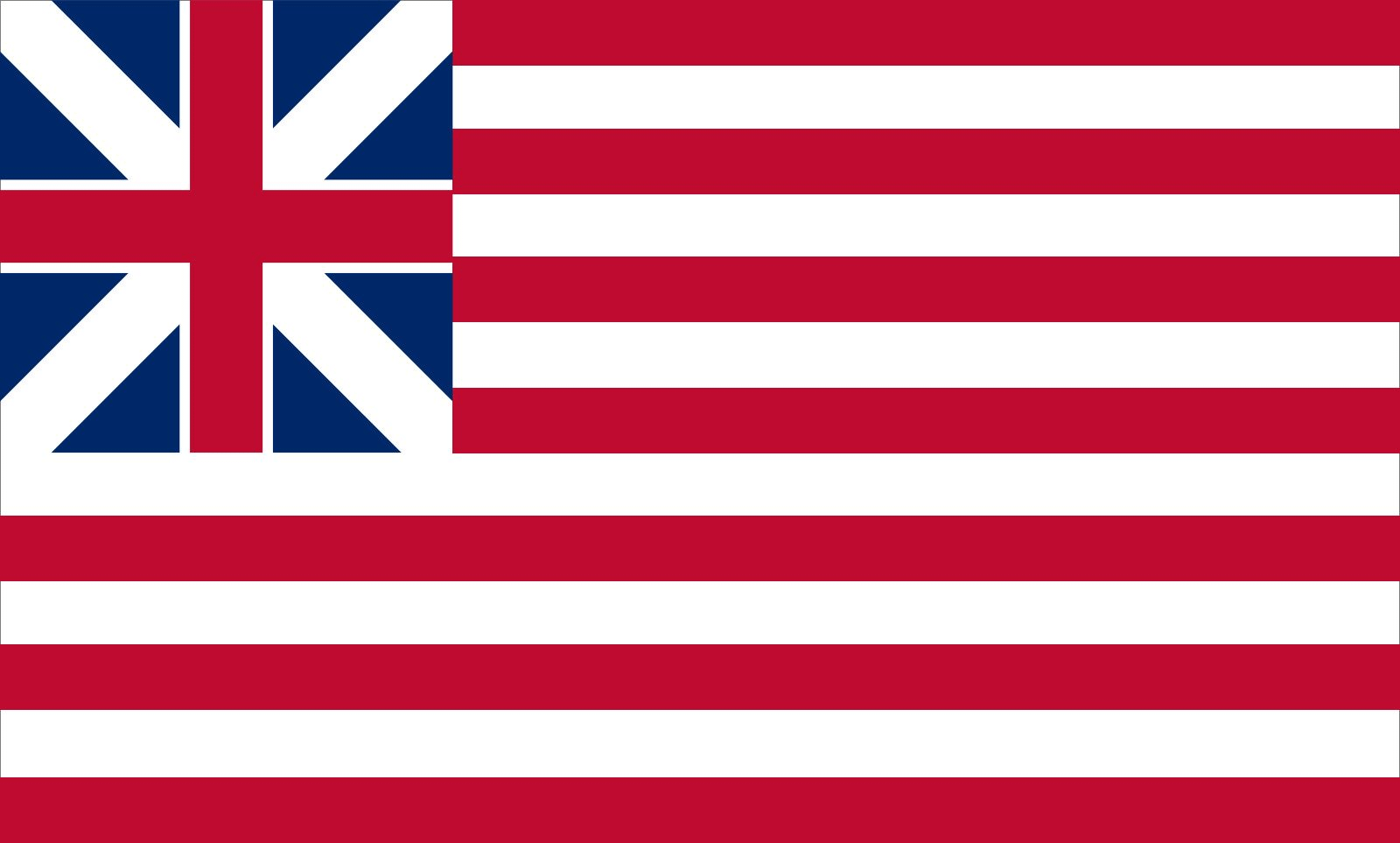
On a cold Monday morning, George Washington ordered the Grand Union Flag to be raised over the headquarters of the Continental Army at Prospect Hill in Cambridge, Massachusetts. This design was a forerunner to the thirteen-stripes model we know from Old Glory, but it had the Union Jack in the upper left corner (a section we still refer to as “the union” on the current flag.)
The Army had undergone some reorganization around that time, and the new flag paralleled that process. Loyalists in Boston saw it and hoped it might signal reconciliation between the Continental Congress and the Crown, but…ha. Ha ha ha, lol, lmao.
Common Sense
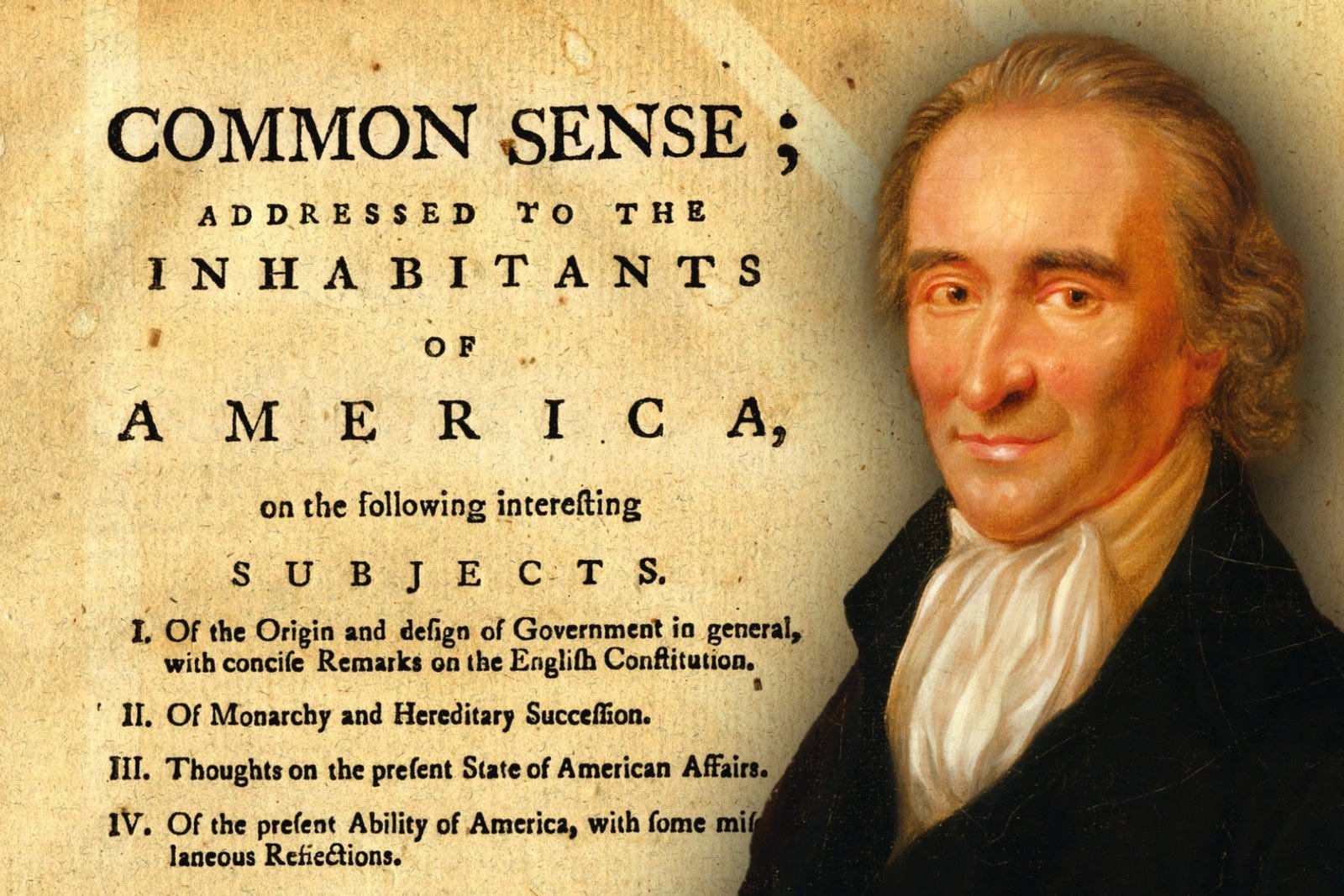
The official publication date of Thomas Paine’s Common Sense is January 10th, but it had started making the rounds in late 1775 and was already stirring people up. You can read all 47 pages of it here. (Corrected from 29 pages) While politicians and philosophers of the day would pick apart specific British policies, Paine went straight for the jugular and attacked the very idea of monarchy, though he enumerated why it had to be shunned. The language was plain enough for laymen to read it, so it circulated well among farmers and artisans, and its popularity only accelerated in early January.
Continental Army
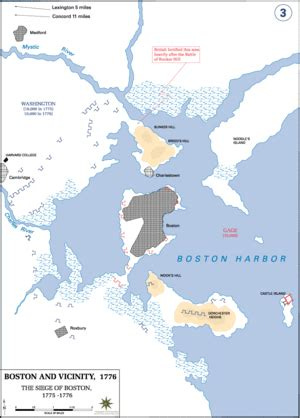
After the butt-kicking at Lexington and Concord in April of 1775, the British had retreated to Boston, where the Continental Army laid siege to the city. However the conflict quickly became a stalemate; the Americans were low on ammo and poorly trained, while the Brits were isolated and lacked the high ground. (Unlike Anakin, they weren’t falling for that one.) So they waited each other out, and the siege continued through the New Year. Washington, never one to let the grass grow under his boots, used the time to whip his soldiers into shape. The fact that they were trapped kept the British on their toes, so the Army provided a potent distraction while the Continental Congress engaged in their political shenanigans elsewhere.
Check back next Saturday for more!
Thanks for reading. Watch my book reviews on YouTube, and subscribe to this Stack for more articles.
"Common Sense" was only 29 pages long? I thought it was longer...